
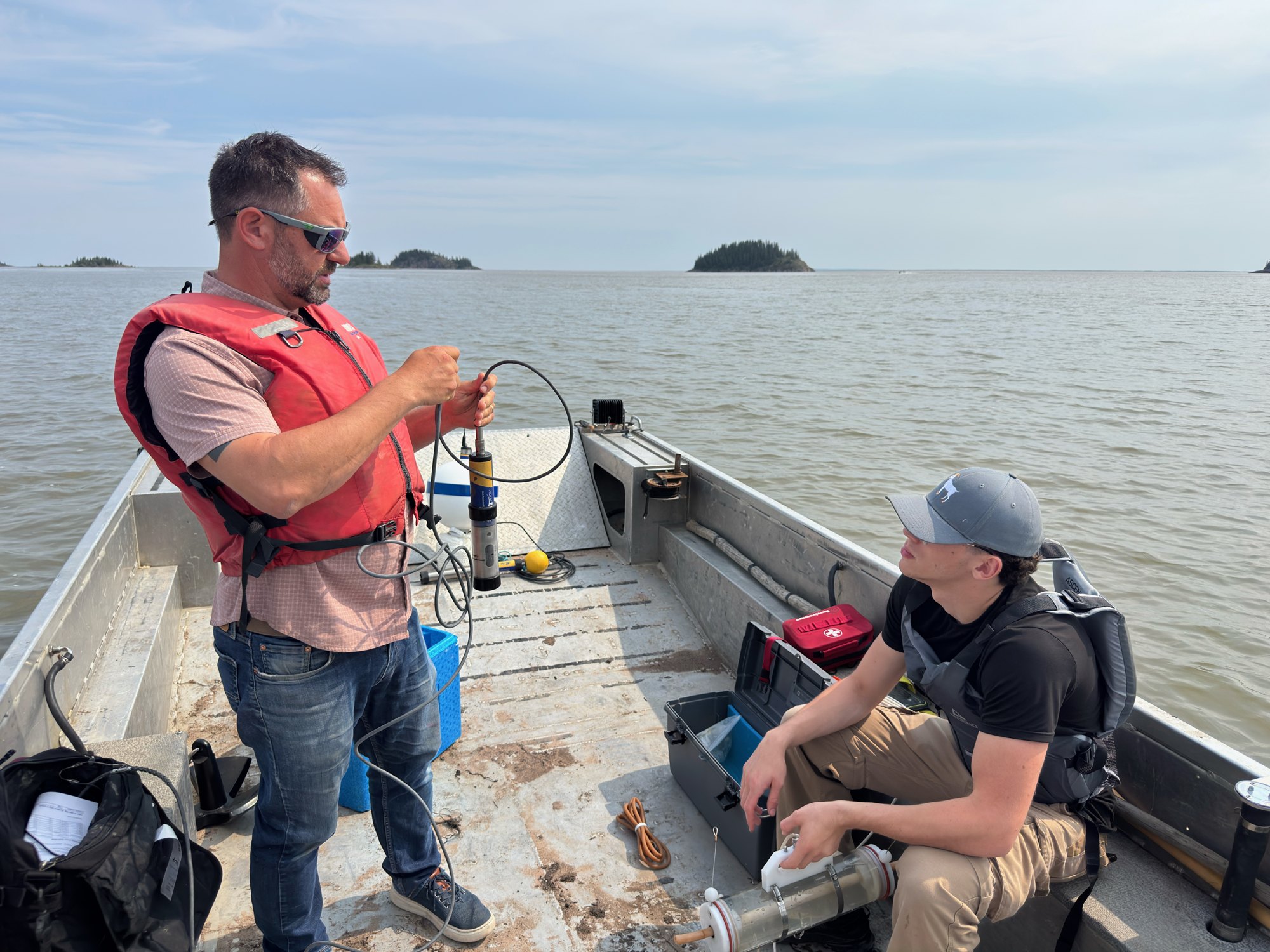
A Community at the End of the Supply Chain
Fort Chipewyan sits on the western shore of Lake Athabasca in the Regional Municipality of Wood Buffalo, Canada's largest regional municipality by area. Established in 1788 as a fur trading outpost, it is Alberta's oldest continuously inhabited settlement, and it is home to the Athabasca Chipewyan First Nation, the Mikisew Cree First Nation and the Fort Chipewyan Métis.
What makes Fort Chipewyan remarkable also makes it hard to serve. There is no all-season road into the community. Equipment and supplies arrive by air year-round, by ice road in the winter months, or by barge in open water season. Every piece of monitoring hardware on the water here had to earn its place on a plane.
That remoteness raises the stakes for the people running the community's drinking water system. When your spare parts are a flight away, you want to see problems coming as early as possible, not react to them after they arrive.
- Established 1788, Alberta's oldest continuously inhabited settlement
- Home to the Athabasca Chipewyan First Nation, the Mikisew Cree First Nation and the Fort Chipewyan Métis
- No all-season road: air access year-round, ice road in winter
- Raw drinking water drawn from Lake Athabasca
Know the Water Before It Reaches the Plant
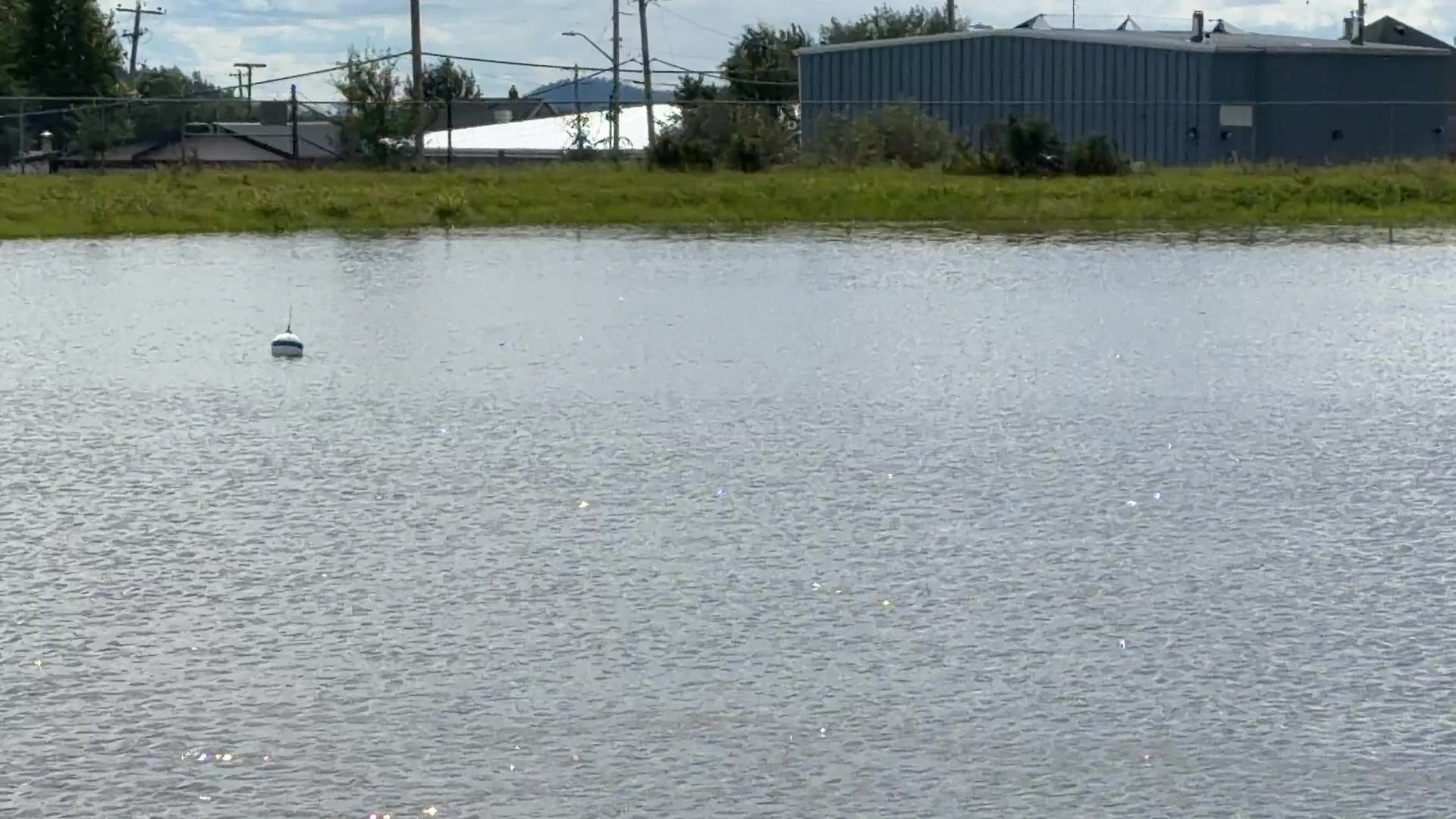
Fort Chipewyan's raw water comes from Lake Athabasca and settles in storage ponds before it enters the treatment plant. Those ponds are the last stop before treatment, which makes them the right place to keep watch. Conditions in source water change with wind, weather and season, and operators can treat what is coming far more effectively when they are not finding out about it at the intake.
That is the thinking behind the early warning and early detection network our client Algae Control Canada operates on those ponds. Instead of relying only on periodic grab samples, the ponds are monitored continuously, so a change in the water announces itself hours or days before that water moves on to treatment.
Early warning is not about a single dramatic save. It is about giving skilled operators a longer runway on every decision they already make: chemical dosing, intake timing, maintenance planning and when to take a closer look in person.
- Continuous monitoring instead of periodic snapshots
- Changes surface while the water is still in the ponds, not at the plant
- Operators gain lead time on dosing, intake and maintenance decisions
The Partnership: ACC in the Field, LakeTech Behind Them
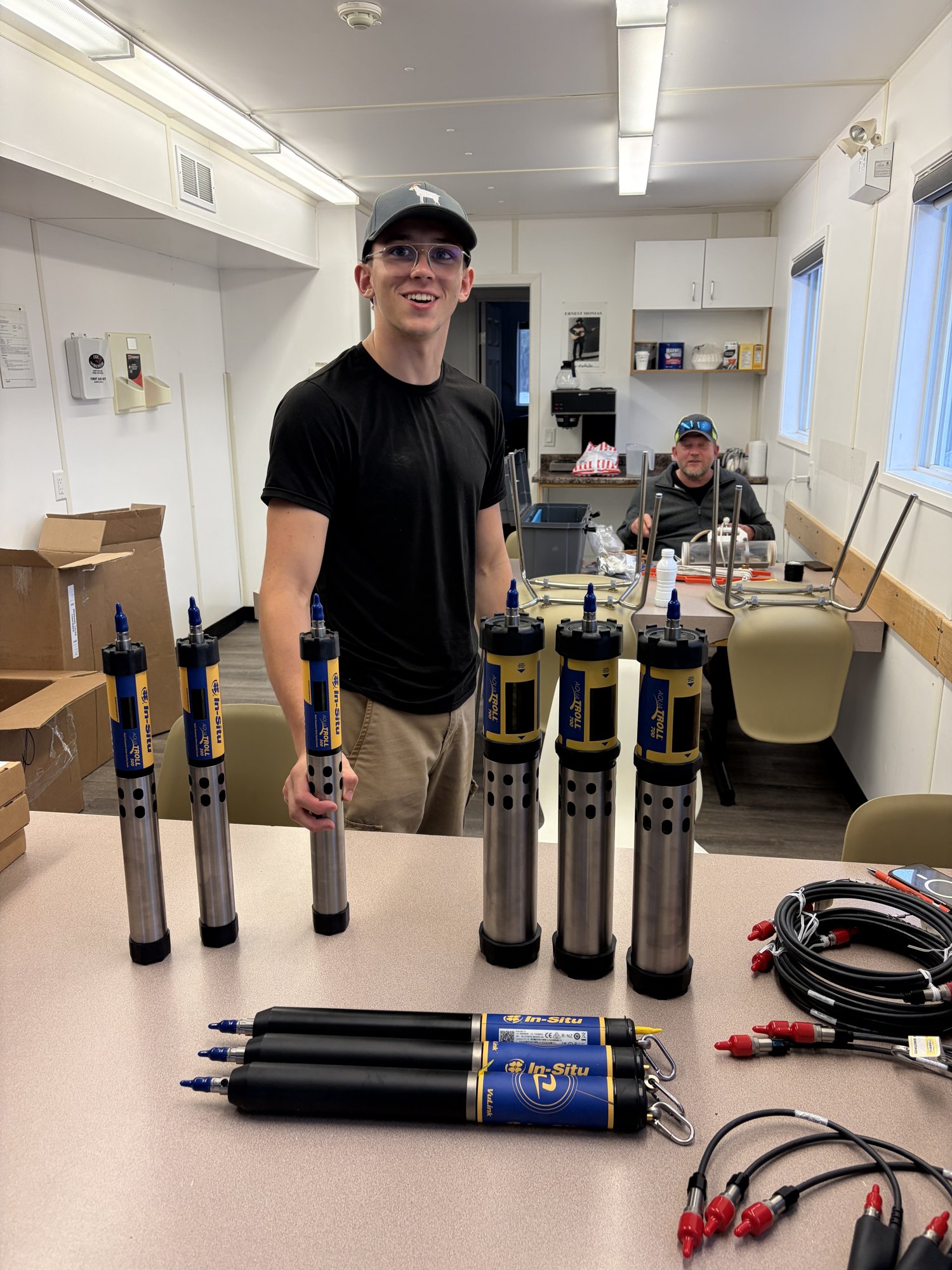
Algae Control Canada is an Alberta-based water management company whose clients include the Regional Municipality of Wood Buffalo. They know these systems and this ground. Our role at LakeTech is to support ACC with monitoring expertise and real-time knowledge, so the network on the ponds works as hard as the people running it.
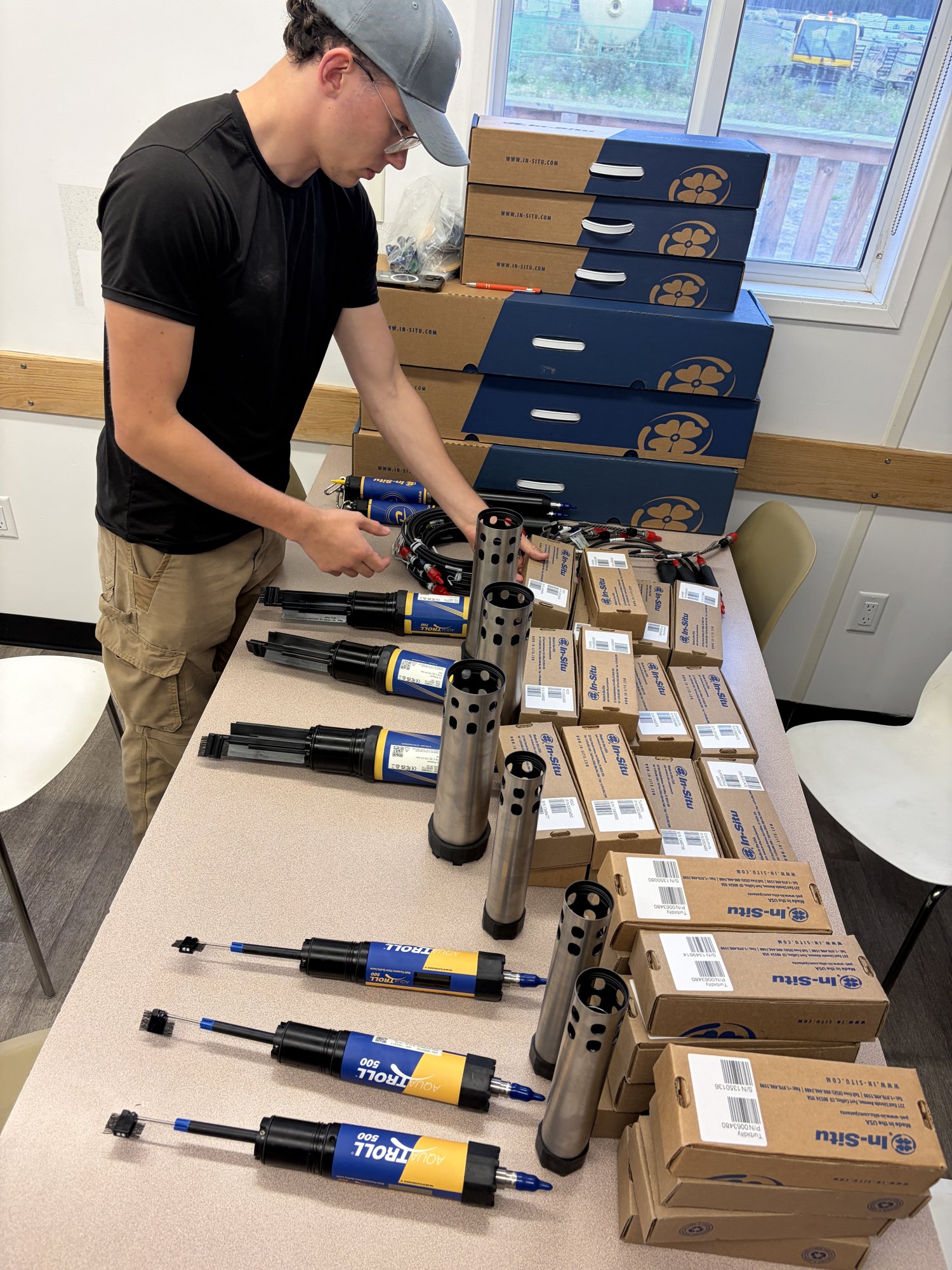
The instruments doing the watching are In-Situ multiparameter sondes, built in Fort Collins, Colorado. Each sonde tracks multiple water quality parameters at once and reports around the clock, turning the storage ponds into places that speak up rather than places that get checked. Live data flows to ACC and to plant operators, who can see changes early and adjust before the water reaches the plant.
This is what we mean when we say our job is to be your eyes on the water. ACC serves their customer better because they can see further ahead, and the community's operators work with information instead of guesswork.
- In-Situ multiparameter sondes watch the storage ponds continuously
- Live data reaches Algae Control Canada and plant operators in real time
- Early sight of changing conditions means adjustments happen before the water arrives
Resupplied in Days, the Last Leg by Bush Plane
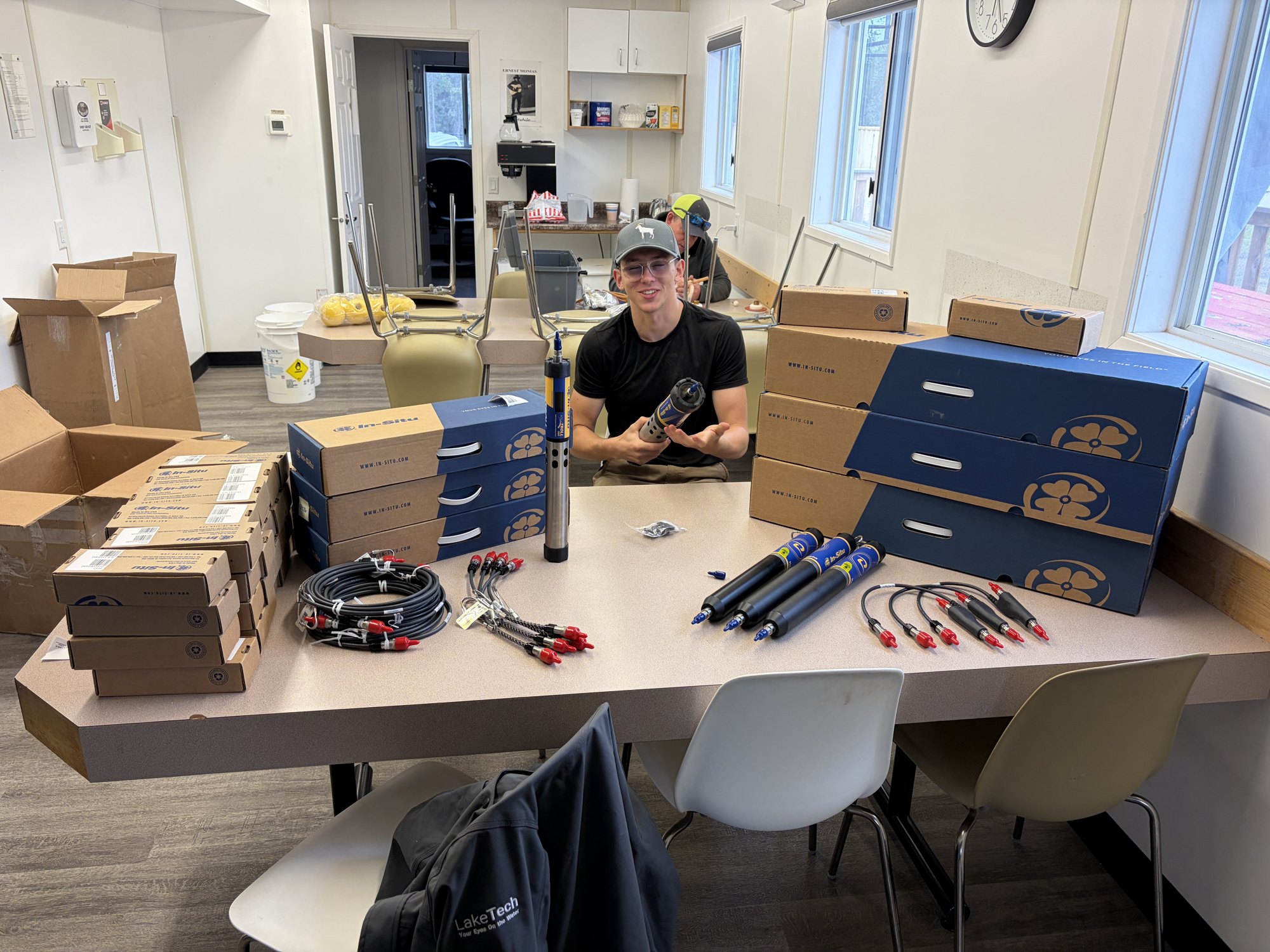
Remote projects test suppliers as much as they test field crews. Partway through this work the project needed additional materials, the kind of request that can stall a remote deployment for weeks. In-Situ came through with equipment and on-demand support within days.
The last leg of that journey was a bush plane into Fort Chipewyan. Boxes of sondes, cables and spares landed in a community with no road in, and the network kept its schedule. That is what a strong manufacturing partner looks like from the end of the supply chain, and it is a big part of why we deploy In-Situ instruments in the first place.
Kudos travel both directions in a partnership like this. ACC trusted us with their client's water, In-Situ backed both of us with hardware and responsiveness, and the result is a monitoring network that a fly-in community can actually sustain.
What Fort Chipewyan Proves About Remote Monitoring
If a real-time early warning network can run on the raw water ponds of a fly-in community in northern Alberta, it can run on your reservoir, your lagoon system or your source water lake. The hard parts of remote monitoring are logistics and support, and this project shows both can be solved with the right partners.
The pattern is repeatable. Identify the water that matters most, usually the last stop before your treatment process or your community touches it. Put continuous, multiparameter eyes on it. Route the data to the people who can act on it, and stand behind the hardware with a supply chain that answers when the field calls.
Our team supports partners like Algae Control Canada across North America, and we are always glad to talk through what continuous monitoring would look like on your water, whether it is across town or at the end of an ice road.
- Monitor the last stop before treatment, where lead time matters most
- Continuous multiparameter data beats periodic snapshots for early detection
- Remote deployments live and die on supplier responsiveness