
Leadership changes, the lake does not
New board members inherit years of vendor decisions, monitoring, equipment, treatments, and resident expectations with little shared context.
Software for HOAs and communities
LakeTech brings water-quality monitoring, vendor service records, photos, treatments, equipment history, board documents, and resident-ready updates into one durable lake record.
Teams in the field
Community boards face different budgets and decision cycles than cities, universities, consultants, or lake-management companies. What they share is personal responsibility for water people live beside and care about. LakeTech turns that care into a durable, understandable operating history.


Why LakeTech for hoas & communities
LakeTech can combine monitoring software, connected equipment, field and vendor records, expert consulting, and controlled resident dashboards. Communities can use the parts their lake program needs while keeping technical work, board decisions, and public communication connected.
Why one record matters
LakeTech does not replace professional judgment. It gives that judgment a complete, usable history.
New board members inherit years of vendor decisions, monitoring, equipment, treatments, and resident expectations with little shared context.
Keep monitoring, plans, work, approvals, costs, and results organized beyond any director, manager, or contractor term.
Algae, odor, weeds, low water, or equipment issues can drive reactive spending before the underlying trend is understood.
Keep vendor scopes and supporting documents beside field records, measurements, photos, treatments, recommendations, and follow-up so the board can review what was proposed and what occurred.
Without a shared view, boards and managers repeatedly translate technical reports and defend why work or spending was necessary.
Use selected dashboards and plain-language updates to show current conditions and the work behind the plan.
A day in the system
Each handoff adds to one continuous operational waterline instead of starting a new file.
Monitor
Bring samples, connected monitoring, observations, photos, and service visits into one lake chronology.
Document
Record treatments, inspections, equipment service, recommendations, and follow-up against the waterbody history.
Approve
Use trends, prior work, open issues, and alternatives to support budget and project choices.
Share
Communicate approved conditions, progress, and next steps without exposing internal board material.
Shaped to your work
Preserve plans, decisions, vendors, documents, monitoring, work history, equipment, and open priorities.
See current and historical conditions with context that helps non-specialists ask better questions.
Keep visits, photos, measurements, treatments, materials, recommendations, and follow-up easy to review.
Use monitoring trends, service history, equipment records, prior recommendations, and archived proposals to give annual and long-range planning a factual starting point.
Share selected data and updates in a consistent place so routine questions do not become recurring board work.
Community in practice
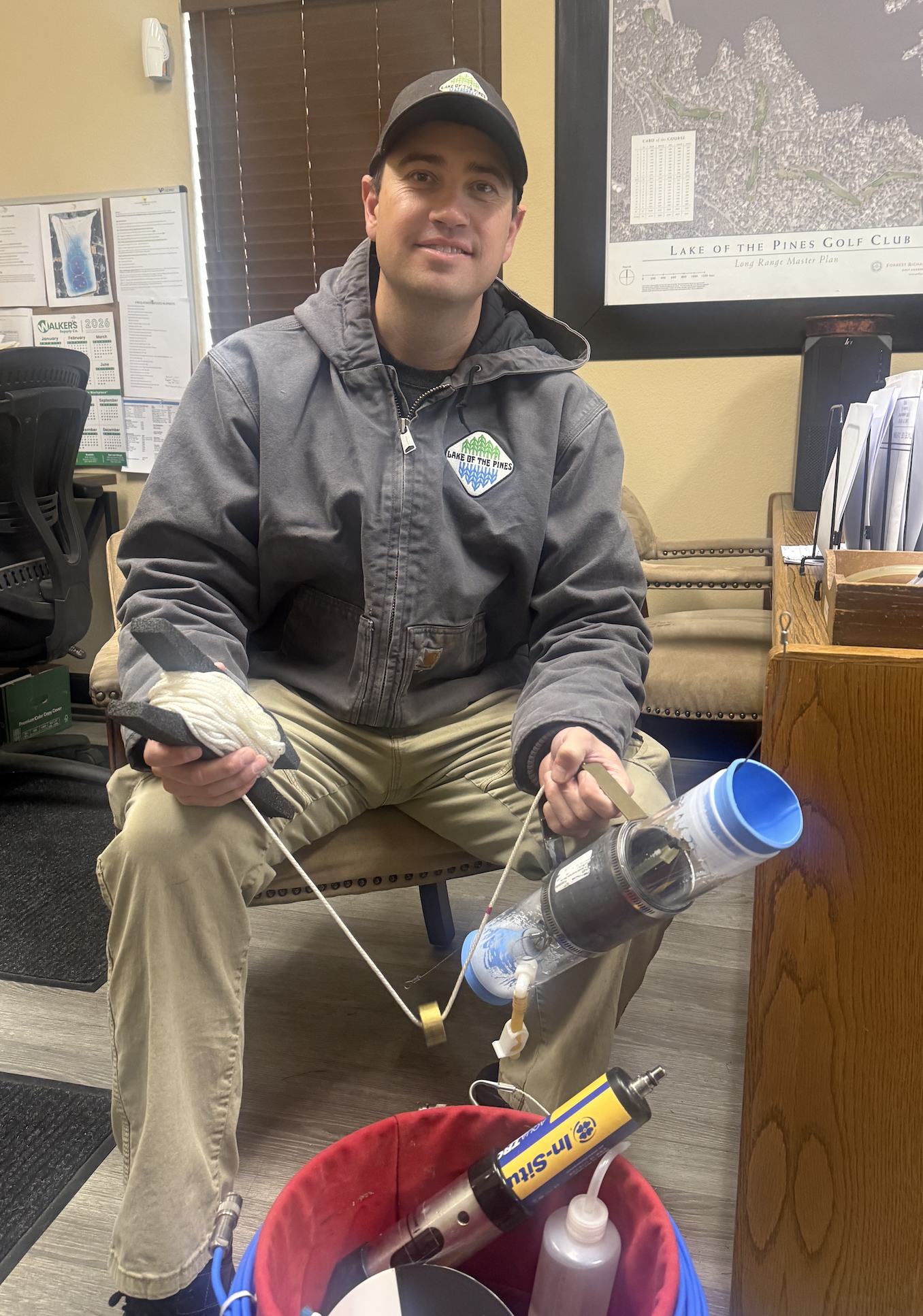
The association combines multi-depth monitoring, live telemetry, alerts, historical trends, exportable reports, and staff training to understand a 180-acre community lake across seasons.
Questions from hoas & communities
Bring your real workflow
We'll help you scope a shared record for monitoring, vendors, board decisions, and resident communication.