Skip to content
Lake and pond expertiseSoftware, monitoring, and consulting
LakeTech homeFundamentalsWater Quality Parameters
What to measure

Water Quality Parameters

The most important parameters for lake and pond management include dissolved oxygen, water temperature, pH, nutrient levels, algae concentrations, water clarity, and organic sediment depth. Monitoring these gives you the information you need to make treatment decisions and track the health of your waterbody over time.

LakeTech provides lake and pond management products, software, and consulting services.

Articles

Explore Parameters topics

Parameters · Source-backed

Fecal Indicator Bacteria in Recreational Lakes: What E. coli and Enterococci Can and Cannot Tell You

A public-health-bounded explanation of fecal indicator bacteria, pathogen risk, method-defined results, spatial and temporal variability, statistical criteria, and sanitary context in freshwater recreation programs.

Read more →
Parameters · Source-backed

Freshwater Cyanobacteria, Bloom Indicators, and Cyanotoxins

Interpret freshwater HAB observations, cyanobacterial cells and taxa, pigments, toxin-production genes, cyanotoxin methods and fractions, ecological effects, and health-authority decisions without collapsing distinct evidence into one bloom or safety label.

Read more →
Parameters · Source-backed

Ammonia and Ammonium in Freshwater Lakes: TAN, Toxicity, and Interpretation

Distinguish total ammonia nitrogen, un-ionized ammonia, ammonium, and reporting as nitrogen; retain pH, temperature, exposure, receptor, method, and jurisdiction before interpreting a freshwater result.

Read more →
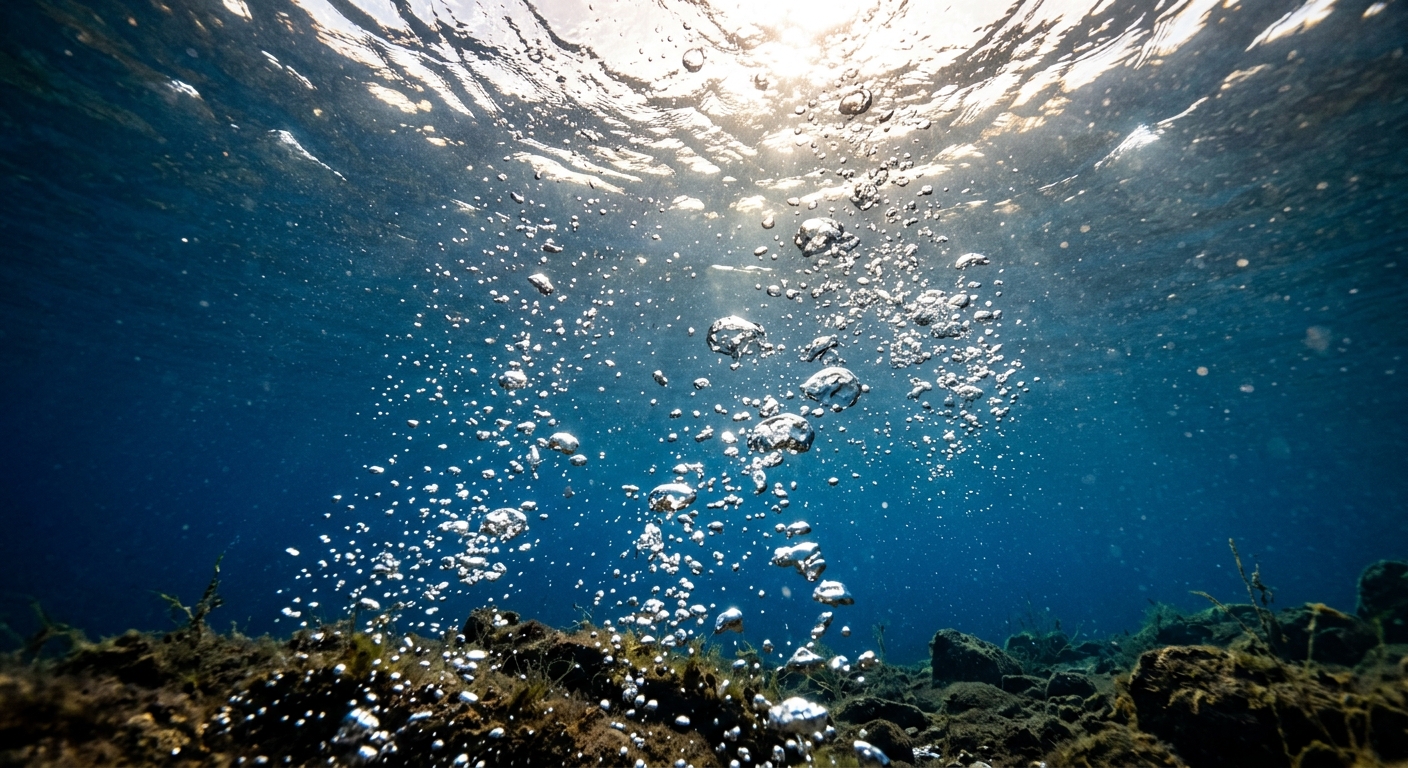
Oxygen bubbles underwater
Parameters

Dissolved Oxygen in Lakes and Ponds

Learn what dissolved oxygen is, why it matters for lake health, what drives DO levels up and down, and how it connects to aeration and treatment decisions.

Read more →
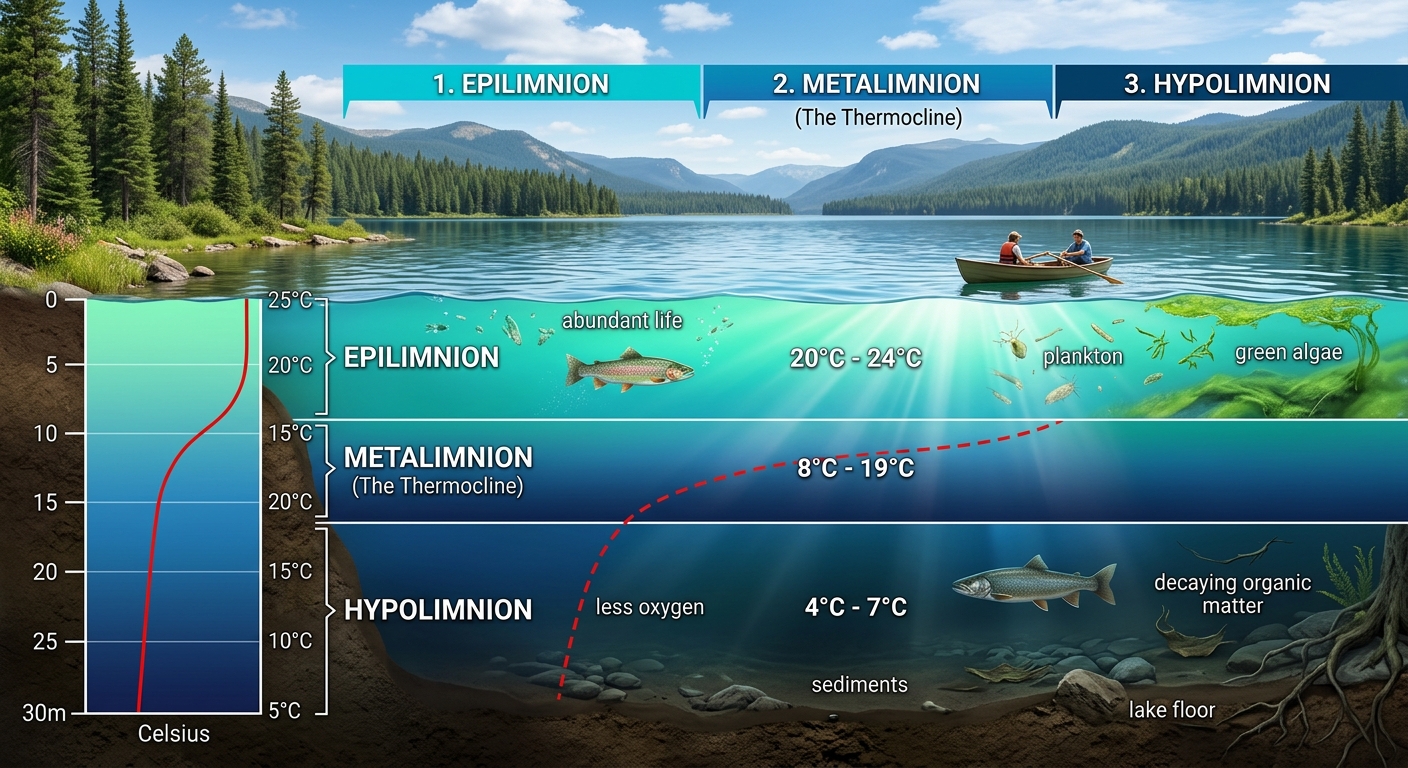
Temperature stratification
Parameters

Water Temperature and Thermal Stratification

Understand how water temperature drives stratification, turnover, dissolved oxygen, and treatment timing in lakes and ponds.

Read more →
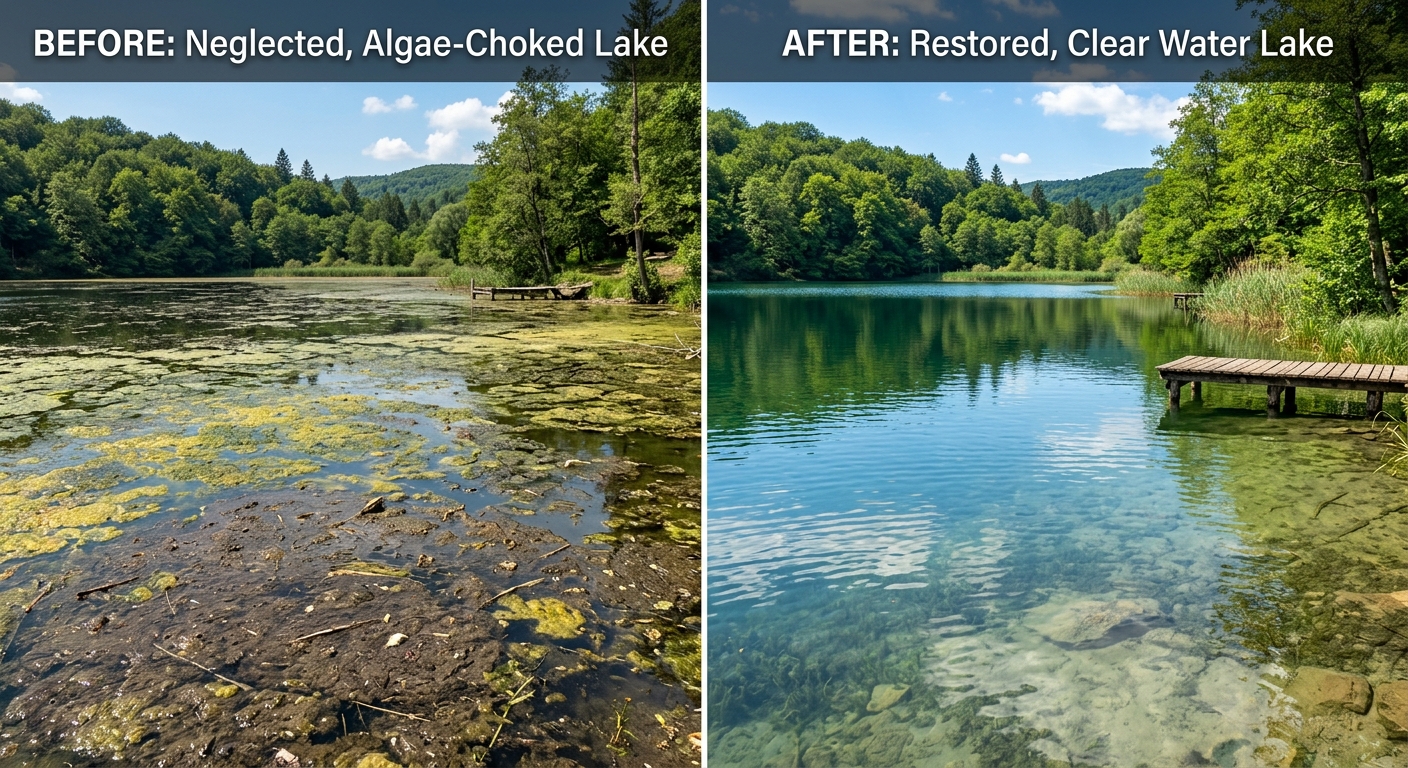
Split-screen illustration comparing an algae covered pond bottom with a clear pond after treatment
Parameters

pH and Alkalinity in Lakes and Ponds

Learn what pH and alkalinity mean for lake health, what drives changes, and how they affect treatment product performance.

Read more →
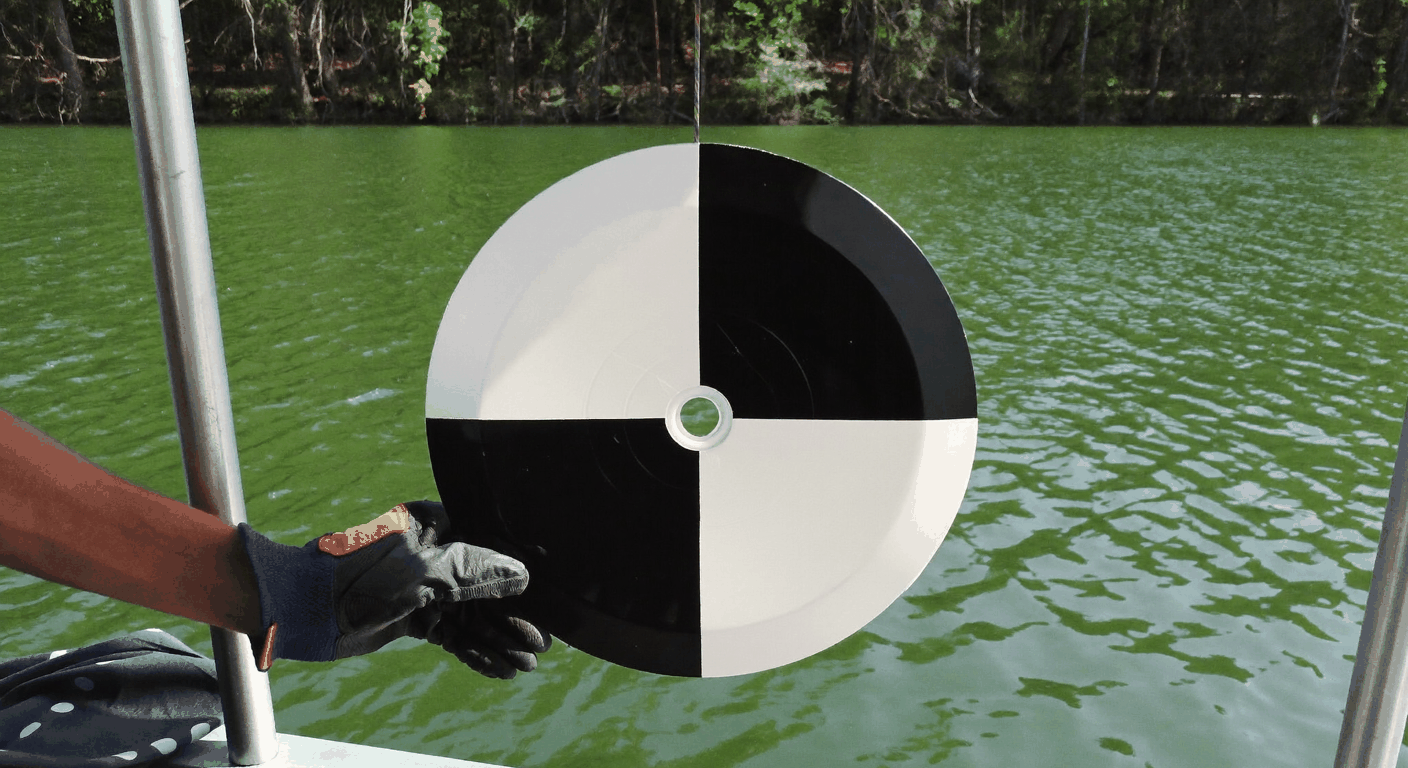
Gloved hand lowering a black and white Secchi disk into green lake water beside a boat
Parameters

Algae, Chlorophyll, and Cyanobacteria in Lakes

Learn about algae types, chlorophyll-a as an indicator, harmful cyanobacteria blooms, and what drives algae growth in lakes and ponds.

Read more →
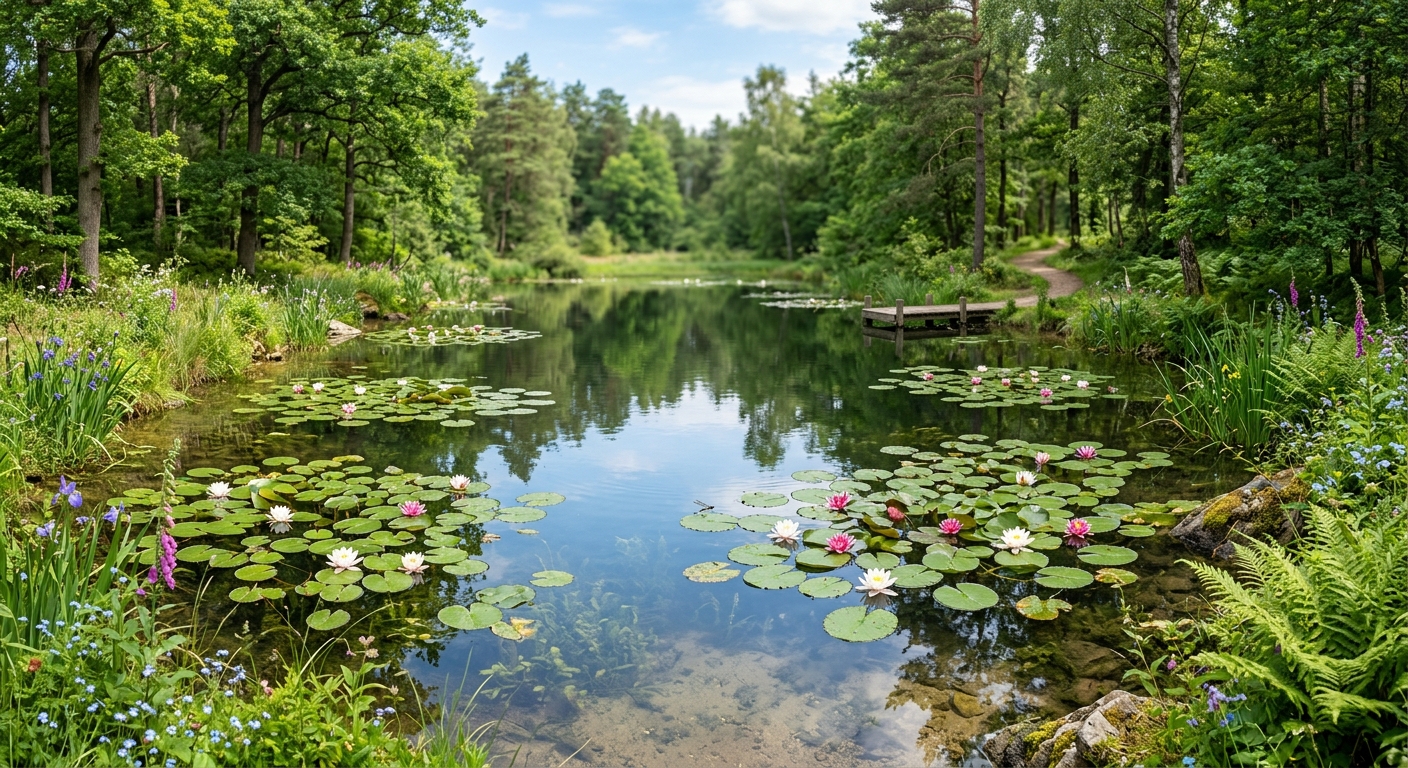
Natural pond with water lilies in bloom and a densely vegetated forest shoreline
Parameters

Turbidity and Water Clarity in Ponds

Understand what turbidity and water clarity tell you about pond health, what causes murky water, and how to interpret Secchi depth readings.

Read more →
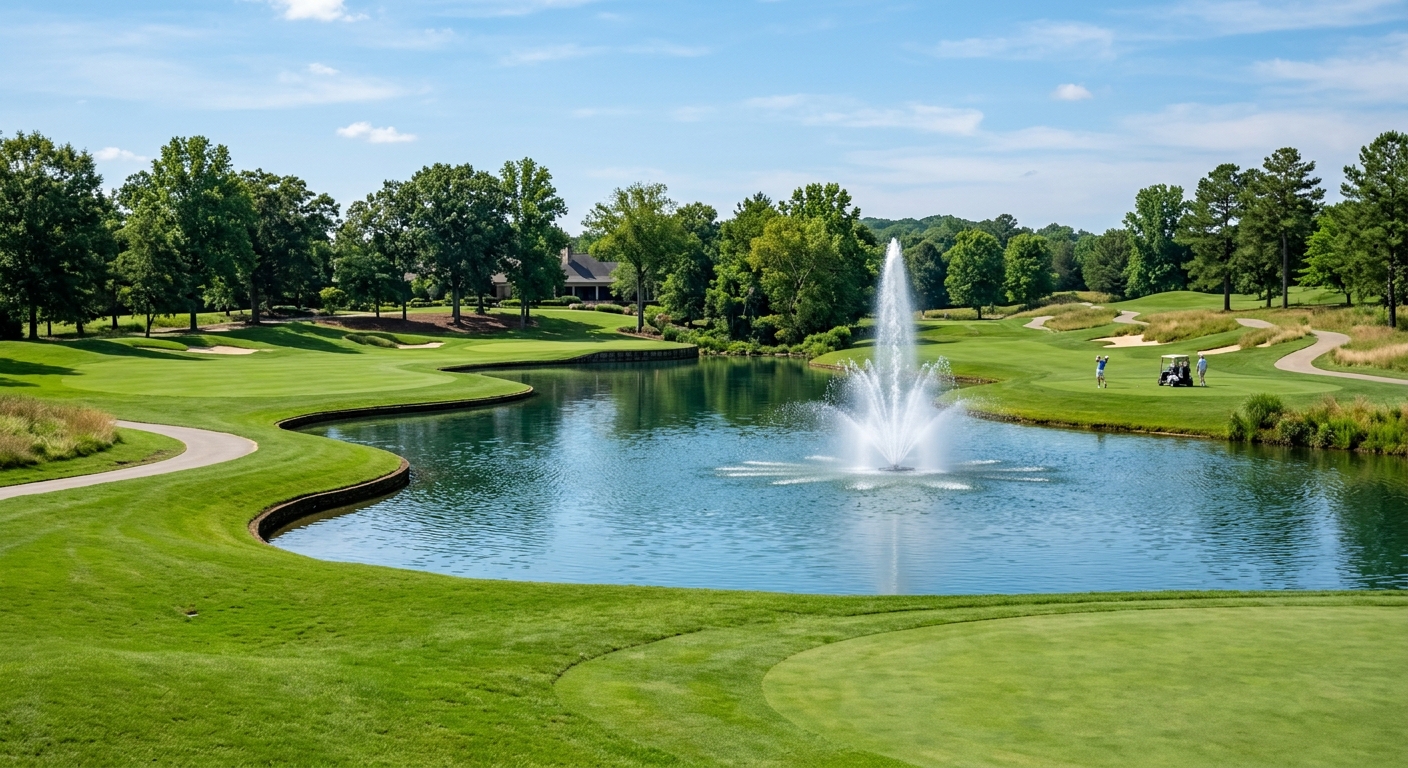
Golf course pond with a spray fountain running beside a fairway
Parameters

Phosphorus, Nitrogen, and Nutrient Loading

Understand how phosphorus and nitrogen drive algae growth, the difference between internal and external loading, and how nutrient management works.

Read more →
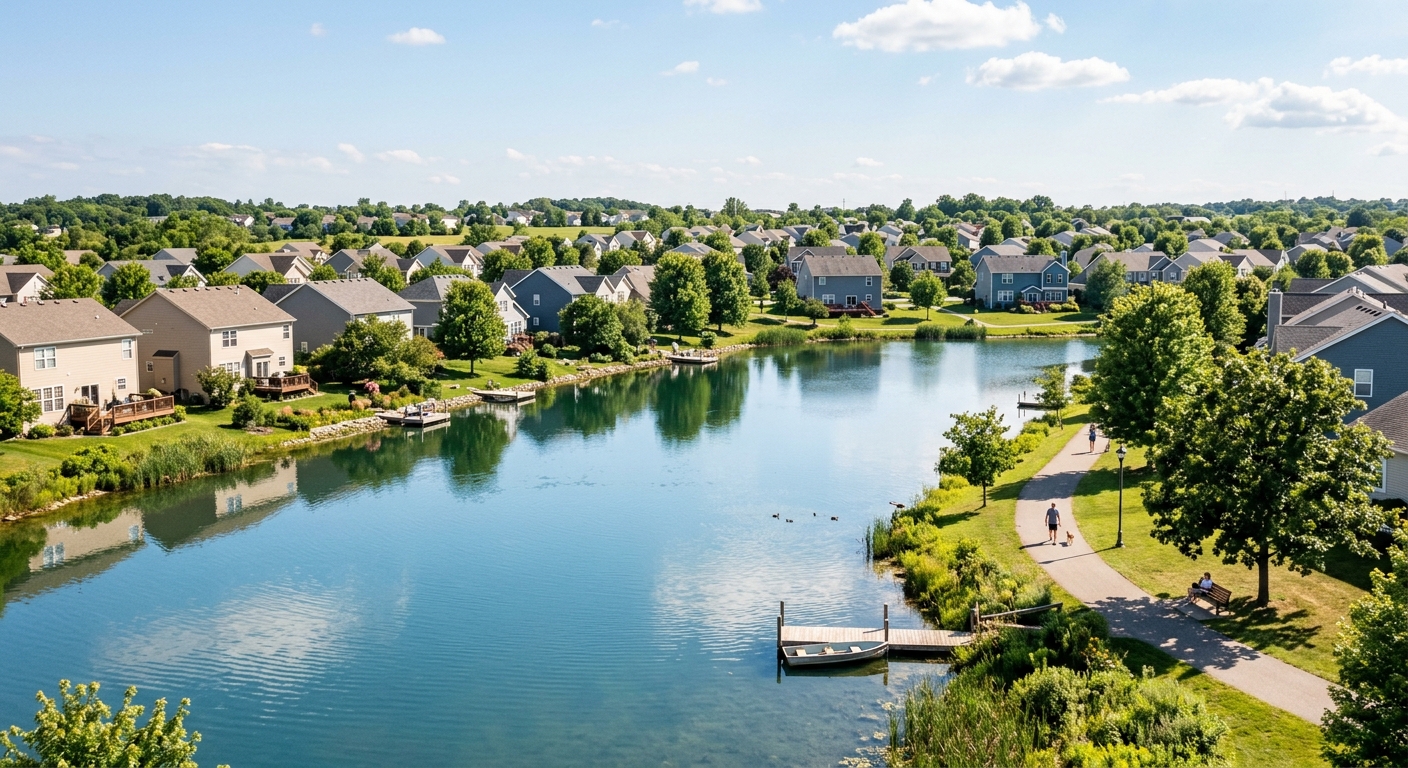
Aerial view of a neighborhood lake bordered by homes, a dock, and a walking path
Parameters

Conductivity, Salinity, and Total Dissolved Solids

Learn what conductivity, salinity, and total dissolved solids tell you about lake water chemistry and how to use them in monitoring.

Read more →
City park lake with people walking a shoreline path and small boats on the water
Parameters

Organic Sediment and Muck Accumulation

Learn how to describe organic-rich bottom sediment, what field observations can and cannot establish, and how spatial sampling, laboratory evidence, and uncertainty support defensible lake management decisions.

Read more →
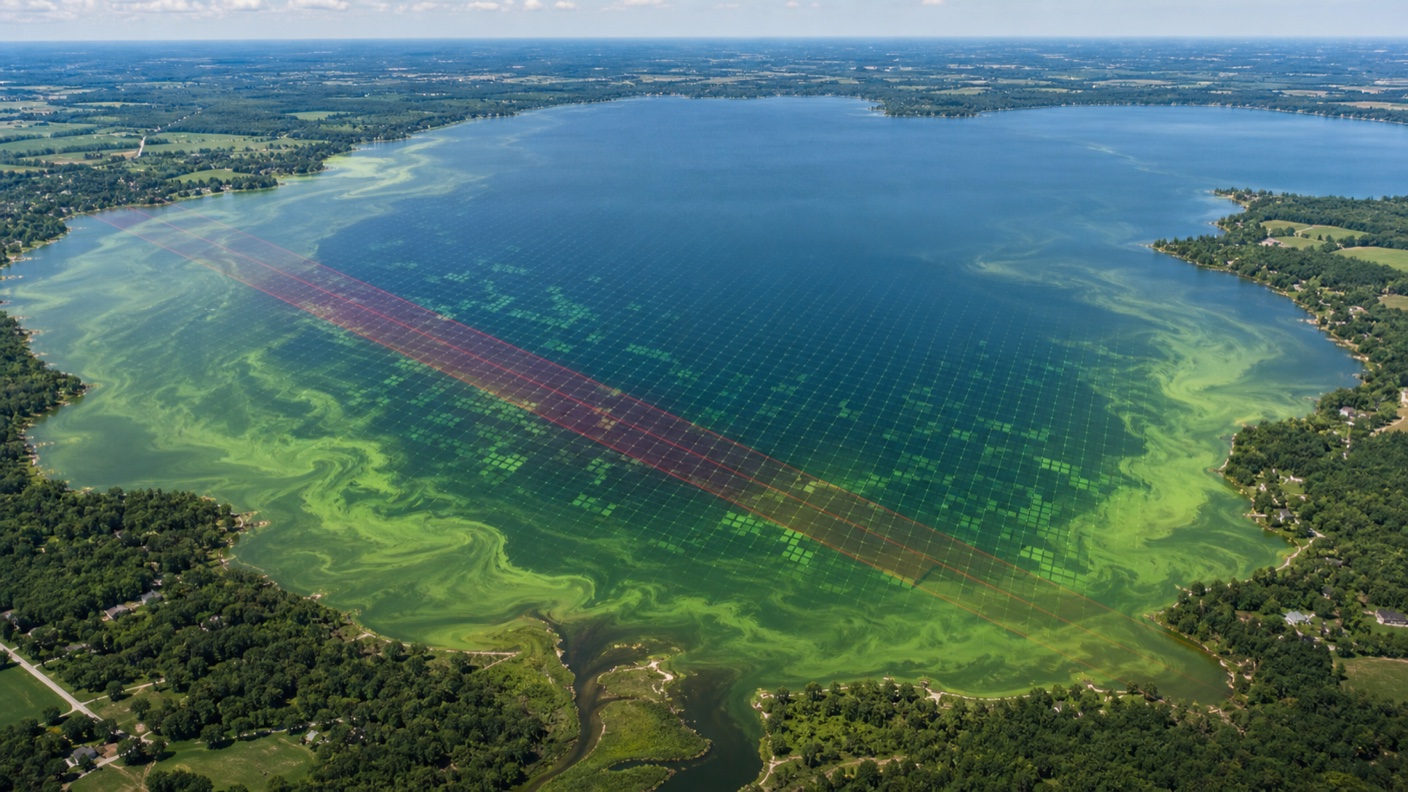
Satellite-style lake image showing algae patterns and chlorophyll-a sampling pixels
Parameters

How Satellites Estimate Chlorophyll-a in Lakes

Learn how LakeTech uses Sentinel-2 satellite reflectance to estimate chlorophyll-a, why red-edge light helps track algae, and why the data matters for bloom management.

Read more →
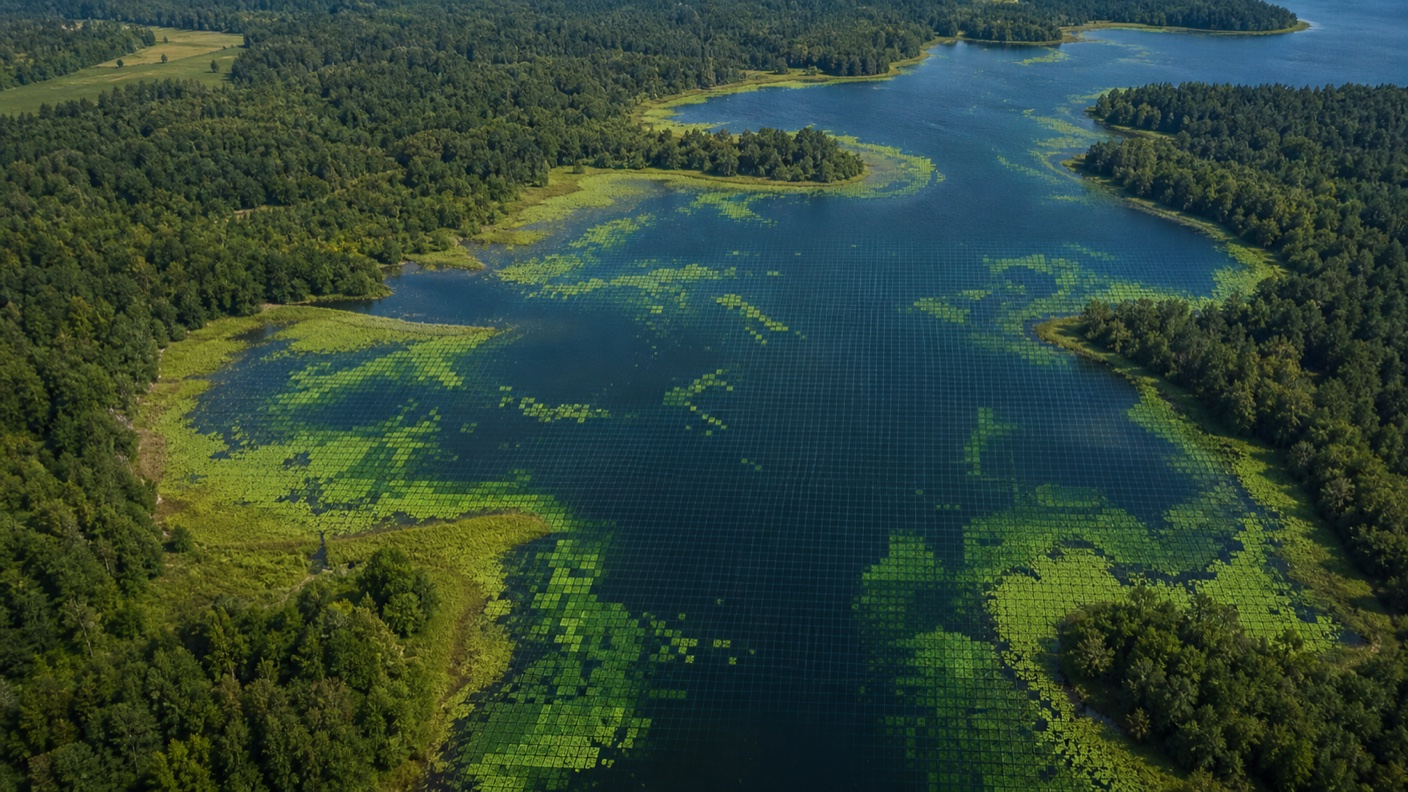
Satellite-style lake image showing floating vegetation coverage along coves and shorelines
Parameters

How Satellites Map Floating Aquatic Vegetation

Learn how LakeTech uses Sentinel-2 red and near-infrared reflectance to map floating aquatic vegetation and surface plant coverage in lakes.

Read more →
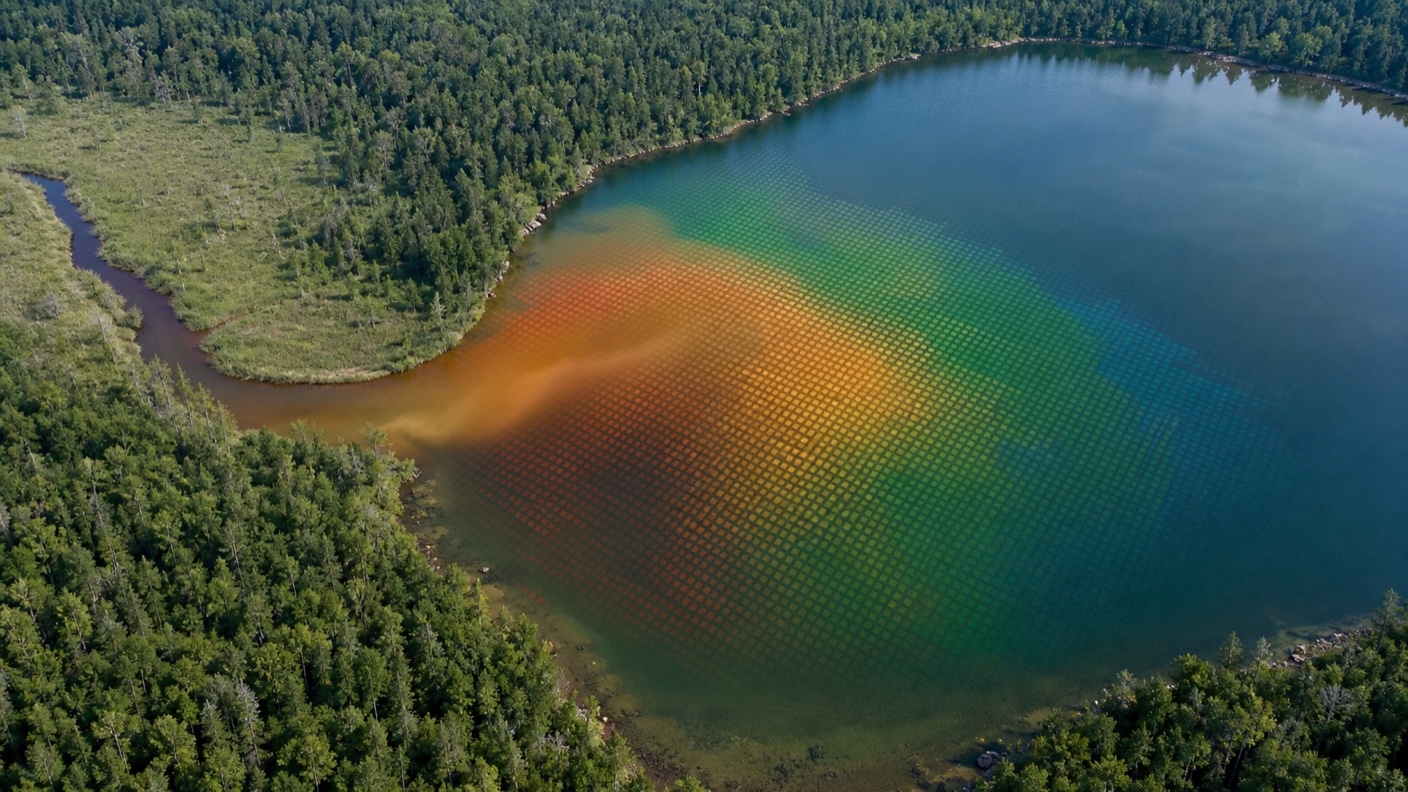
Satellite-style lake image showing a tea-colored dissolved organic matter plume from a wetland inlet
Parameters

How Satellites Estimate Colored Dissolved Organic Matter

Learn how LakeTech uses Sentinel-2 visible reflectance to estimate colored dissolved organic matter and understand organic staining, runoff, and light conditions.

Read more →
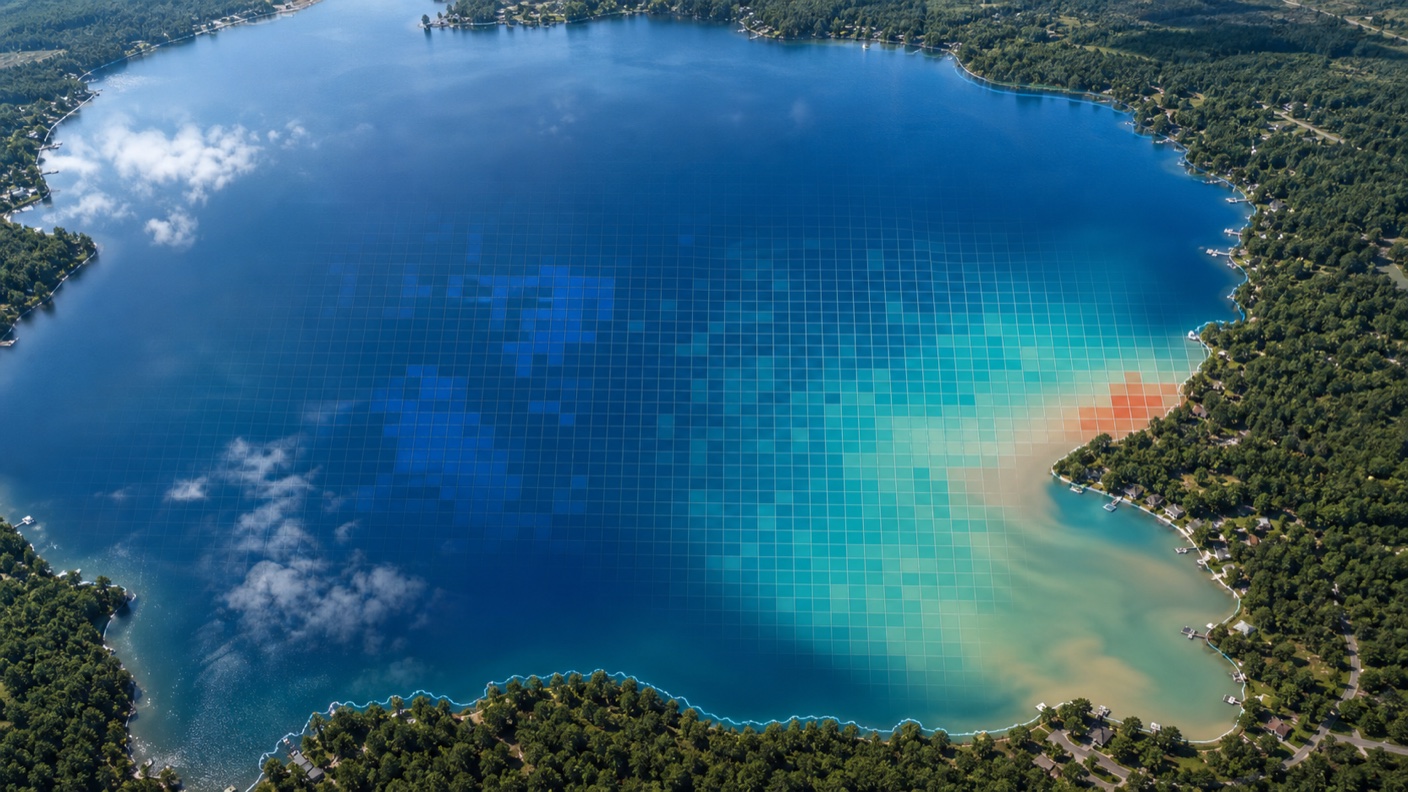
Satellite-style lake image showing water clarity gradients used for Secchi depth estimation
Parameters

How Satellites Estimate Secchi Depth

Learn how LakeTech uses Landsat surface reflectance to estimate Secchi depth, what the satellite is measuring, and why clarity trends matter.

Read more →
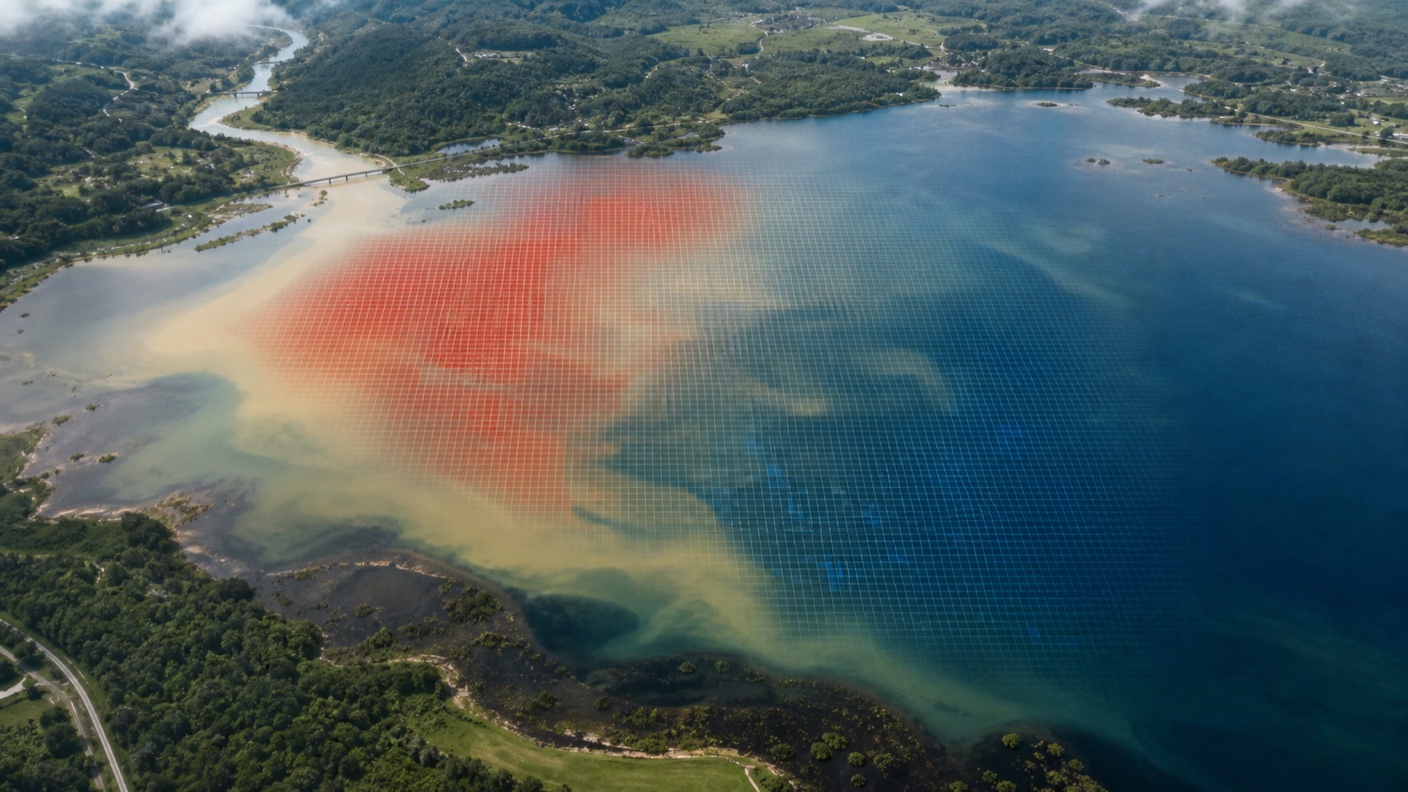
Satellite-style lake image showing sediment plumes and turbidity sampling pixels after rainfall
Parameters

How Satellites Estimate Turbidity

Learn how LakeTech uses Landsat red reflectance to estimate turbidity, why suspended particles affect satellite imagery, and how managers use the data.

Read more →
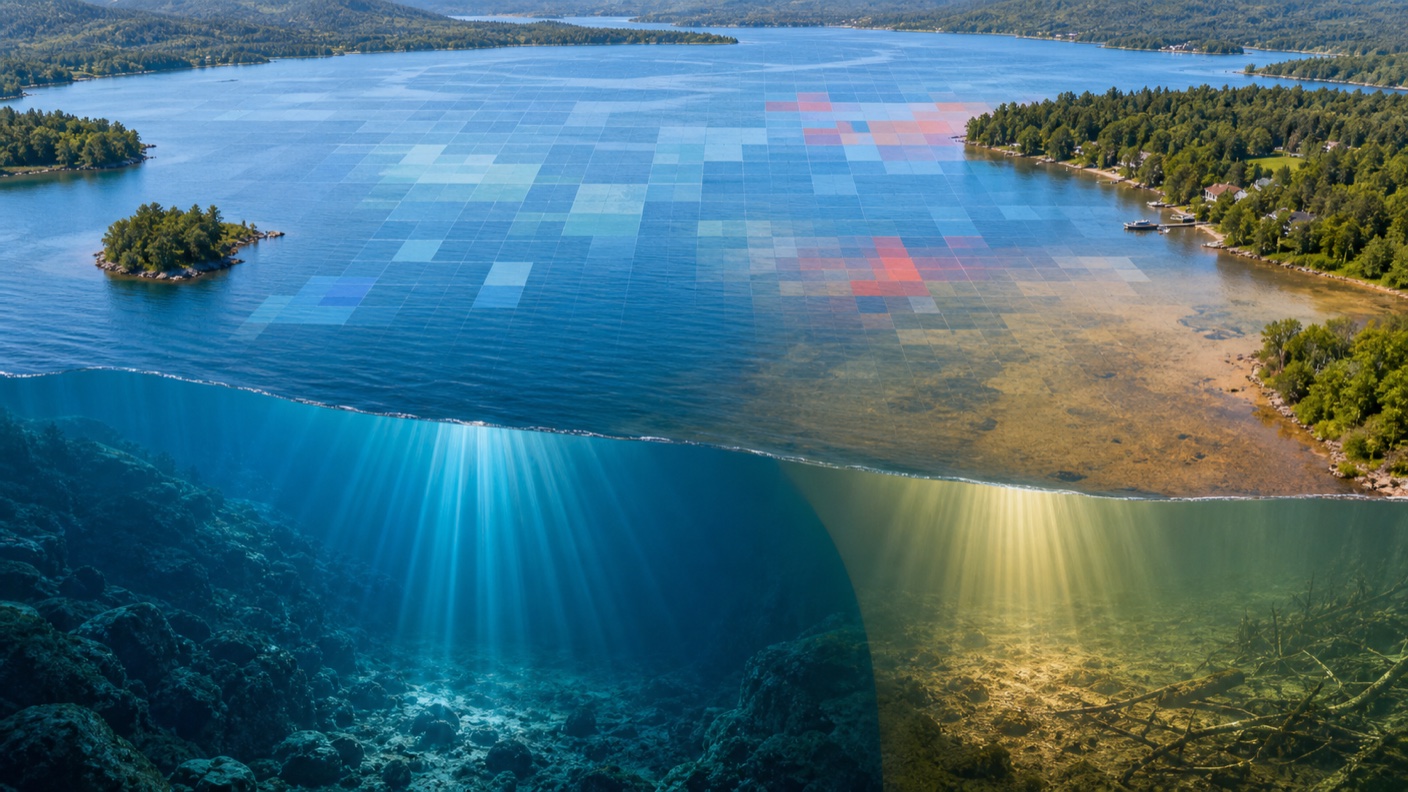
Satellite-style lake image with a water-column cutaway showing photic zone light penetration
Parameters

How Satellites Estimate Photic Zone Depth

Learn how LakeTech derives photic zone depth from satellite-estimated Secchi depth and why light penetration matters for algae, plants, and lake habitat.

Read more →

Why water quality parameters matter for your lake

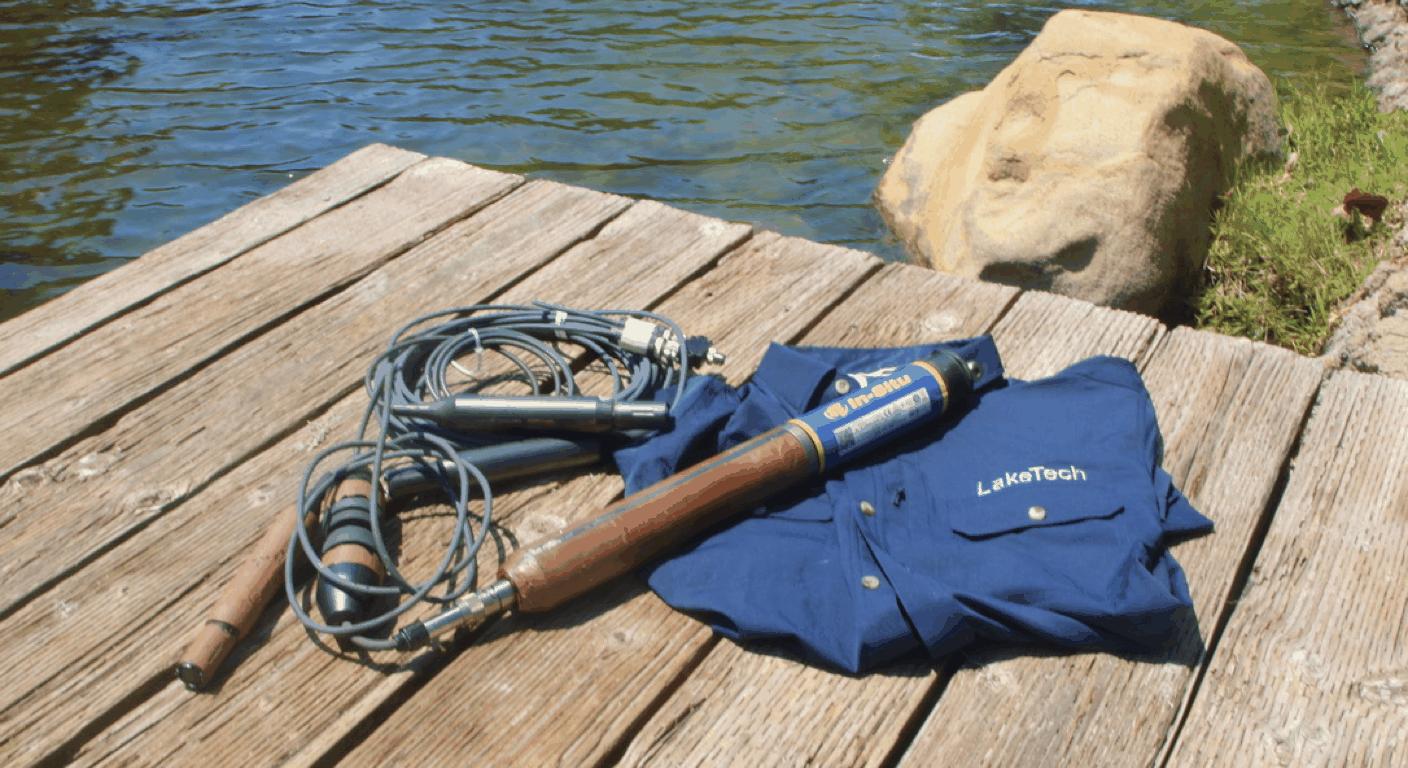
In-Situ multiparameter sonde with sensor cables on a dock beside a lake

Every lake and pond has a story told by its water chemistry. Parameters like dissolved oxygen, temperature, and nutrient concentrations reveal whether a waterbody is healthy, trending toward problems, or already in distress. Without measuring these indicators, management decisions become guesswork.

Routine parameter monitoring gives you a baseline to compare against. When something changes, a sudden algae bloom, fish surfacing at dawn, or water turning murky after a storm, your historical data tells you whether this is normal seasonal variation or a sign that intervention is needed.

The parameters covered in this guide are the ones that matter most for practical lake and pond management. They are the same measurements that professional lake managers track, that regulatory agencies use to assess water quality, and that inform treatment programs.

  • Dissolved oxygen and temperature drive biological activity and determine whether aquatic life can thrive.
  • Nutrient levels (phosphorus and nitrogen) control algae growth and long-term eutrophication trends.
  • Water clarity and sediment conditions tell you about runoff impacts, internal nutrient loading, and bottom habitat quality.
  • pH and conductivity provide context for interpreting other measurements and assessing treatment compatibility.

What this guide covers

Each article in this section focuses on a single parameter or closely related group of parameters. You will find an explanation of what the parameter measures, what drives it up or down in a real lake or pond, what typical values look like, and how the information connects to management decisions.

The articles are written for lake owners, HOA board members, golf course superintendents, and municipal staff who need to understand monitoring data without a background in limnology. Where a parameter relates to a specific treatment approach, that connection is explained in practical terms.

  • Dissolved oxygen, a key indicator of aquatic habitat quality that must be interpreted with temperature, depth, timing, species needs, and duration.
  • Water temperature, the physical driver behind stratification, turnover, and biological cycles.
  • pH and alkalinity, the chemical context that affects treatment efficacy and aquatic life.
  • Algae and chlorophyll, the biological indicators of nutrient enrichment and bloom risk.
  • Turbidity and water clarity, the visual measures of suspended material and light penetration.
  • Phosphorus and nitrogen, the nutrient drivers behind eutrophication.
  • Conductivity and total dissolved solids, the mineral baseline of your water.
  • Organic sediment and muck, the accumulation layer that recycles nutrients from the bottom.

FAQ

Frequently asked questions

How often should I test water quality parameters?

For most managed lakes and ponds, monthly sampling during the growing season (spring through fall) gives you enough data to spot trends. Critical parameters like dissolved oxygen and temperature benefit from more frequent readings, especially during hot summer months when conditions change quickly.

Do I need professional lab equipment to measure these parameters?

Not for all of them. Basic field instruments can measure temperature, dissolved oxygen, pH, and conductivity on-site. Nutrient analysis (phosphorus, nitrogen) typically requires lab processing. Water clarity can be measured with a simple Secchi disk. A mix of field and lab methods gives you the best balance of cost and accuracy.

How do these parameters relate to each other?

Water quality parameters are deeply interconnected. Temperature affects dissolved oxygen levels. Nutrient concentrations drive algae growth. Algae blooms reduce water clarity and alter pH. Organic sediment releases nutrients back into the water column. Understanding these connections helps you identify root causes rather than chasing symptoms.

Ready to get started?

Start planning your Parameters project today

Describe your waterbody and get monitoring and treatment guidance from the LakeTech team.

Start a product inquiry