
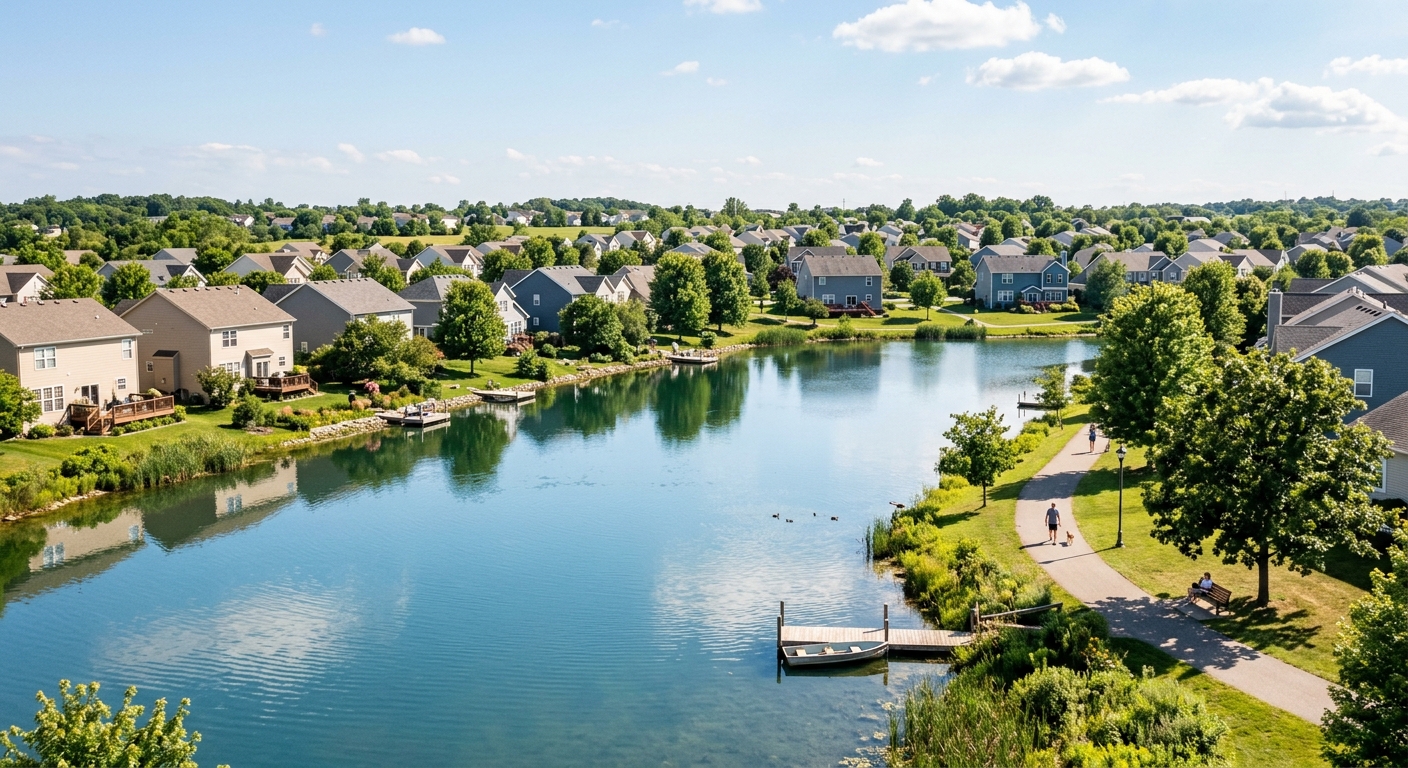
Treat the lake as a long-term community asset
A lake can support recreation, habitat, drainage, and property values, but it also creates long-term maintenance responsibilities. The strongest HOA programs start with shared goals and a written plan instead of reacting to each problem as it appears.
- Develop a comprehensive management plan that covers water quality, invasive species, erosion, recreation, capital equipment, and routine maintenance.
- Define measurable goals so the board can evaluate results and explain priorities to residents.
- Review the plan at least annually and update it when monitoring data, site conditions, or community priorities change.
Use water-quality data to guide decisions
Routine monitoring helps an HOA identify changes before they become expensive or disruptive. A monitoring program should match the lake's risks and may include dissolved oxygen, temperature, pH, conductivity, nutrients, algae indicators, bacteria, and water clarity.
- Monitor water quality on a repeatable schedule and keep the results in one shared record.
- Track nutrient inputs from lawns, irrigation, stormwater, wildlife, and upstream sources.
- Compare trends over time instead of relying on a single sample or visual inspection.
Protect the shoreline and lake ecosystem
Many visible lake problems begin with conditions around the water. Shoreline erosion, invasive plants, excessive fertilizer, and heavy recreational use can all affect clarity, habitat, and maintenance costs.
- Use buffer vegetation, shoreline stabilization, and drainage improvements to reduce erosion and sediment inputs.
- Create an invasive-species response plan before a new plant or animal becomes established.
- Promote responsible recreation, including clean equipment practices and clear rules for boating, fishing, and shoreline access.
Build support, partnerships, and realistic funding
Lake management works best when residents understand what is being measured, what work is planned, and why the board is funding it. Clear reporting also makes it easier to coordinate contractors and outside agencies.
- Share plain-language updates through board meetings, resident dashboards, newsletters, and annual reports.
- Coordinate with local agencies, watershed groups, qualified consultants, and neighboring property owners when the lake is part of a larger system.
- Plan routine operating costs and long-term equipment replacement through the HOA budget and reserve study.
- Evaluate grants, partnerships, and cost-sharing opportunities when a project provides broader environmental or stormwater benefits.
Review results and adapt
The final step is ongoing evaluation. Compare management actions with monitoring trends, resident concerns, equipment performance, and project costs. Keep what works, adjust what does not, and document why the plan changed.