
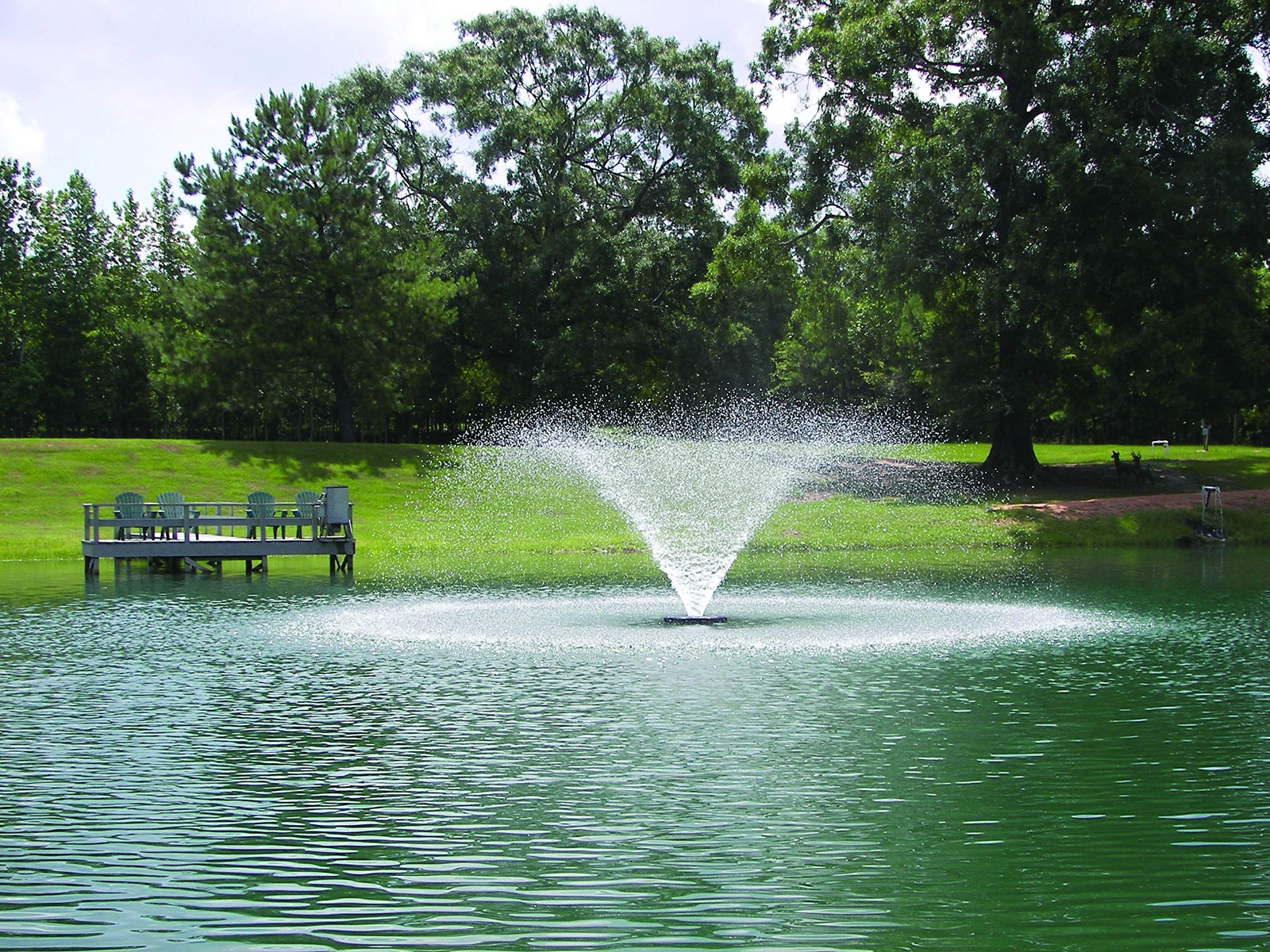
Understand what the system is designed to do
Start with the equipment type, design flow, operating schedule, placement, power source, and intended water-quality goal. A decorative fountain, surface aerator, diffused system, circulator, and oxygenation system move water and transfer oxygen in different ways.
- Keep equipment manuals, drawings, model numbers, and warranty information in the site record.
- Document the intended operating schedule and seasonal changes.
- Know which alarms, pressure readings, amperage, or visual cues indicate a problem.
Follow a preventive maintenance schedule
Routine inspection is usually less expensive than emergency replacement. The schedule should reflect the equipment, operating hours, water conditions, weather exposure, and manufacturer guidance.
- Inspect air filters, compressors, intake screens, diffusers, airlines, floats, anchors, cabinets, and electrical connections as applicable.
- Record maintenance dates, observations, parts, photos, and the person who completed the work.
- Plan for heat, freezing, storms, low water, vegetation, and other site-specific risks.
Monitor the water, not just the equipment
A running motor does not prove that the system is meeting the lake's objective. Use dissolved oxygen and temperature profiles, visual observations, and other relevant parameters to evaluate performance. Real-time monitoring can reveal daily cycles, stratification, downtime, and changes that a periodic inspection may miss.
Treat algae and nutrients as related management questions
Aeration can improve circulation and oxygen conditions, but it is not a universal solution for algae or weeds. When growth increases, evaluate nutrients, light, water residence time, sediment, inflows, and the type of organism before selecting a response.
Be ready to repair the system
Keep common wear parts available and define who should respond when performance changes. A fast diagnosis can prevent prolonged low-oxygen conditions and help an owner repair the right component instead of replacing an entire system unnecessarily.
- Set alert thresholds for equipment and water-quality conditions where appropriate.
- Maintain a qualified service contact and an emergency access plan.
- Use monitoring data before and after a repair to confirm the result.