Why lake aeration matters
Aeration, circulation, destratification, and hypolimnetic oxygenation are different mechanisms. The appropriate system depends on whether the objective is local surface oxygen transfer, whole-column mixing, preservation of cold-water habitat, winterkill risk reduction, or another measured outcome.
Low oxygen can coincide with stratification, oxygen demand, and sediment-water chemical changes, but it does not by itself prove phosphorus release or identify the correct hardware. Diagnose the oxygen and thermal regime before selecting a mechanism, and verify both intended and adverse effects after startup.
- Different systems transfer oxygen and mix water in different ways
- Destratification can remove cold-water refuge and must not be treated as universally beneficial
- Winter operation requires barriers and warnings for hazardous open water and unstable ice
Choosing the right aeration system
System selection begins with the outcome, repeated dissolved-oxygen and temperature profiles, bathymetry and volume by depth, oxygen demand, habitat constraints, inflows and outlets, power, and maintenance capacity. Depth or surface area alone cannot choose a mechanism.
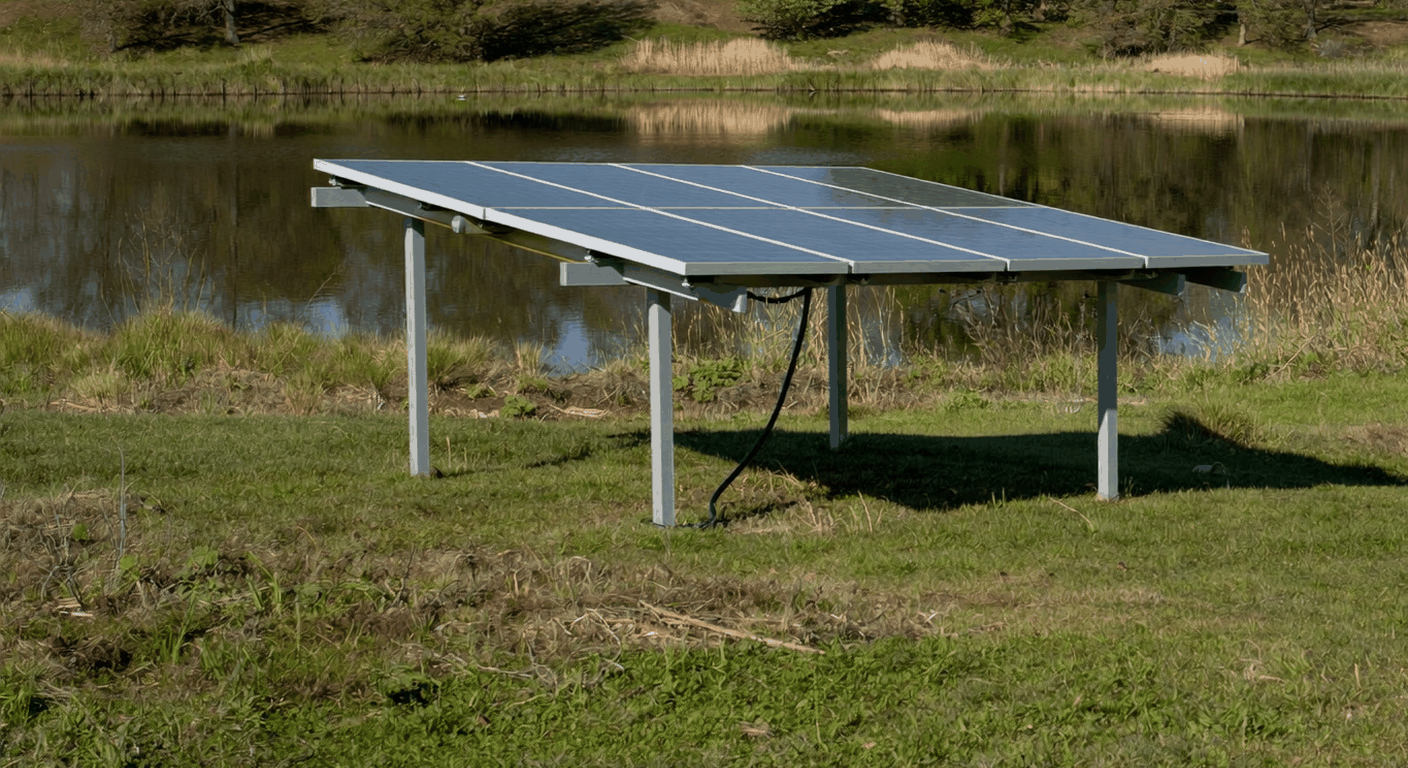
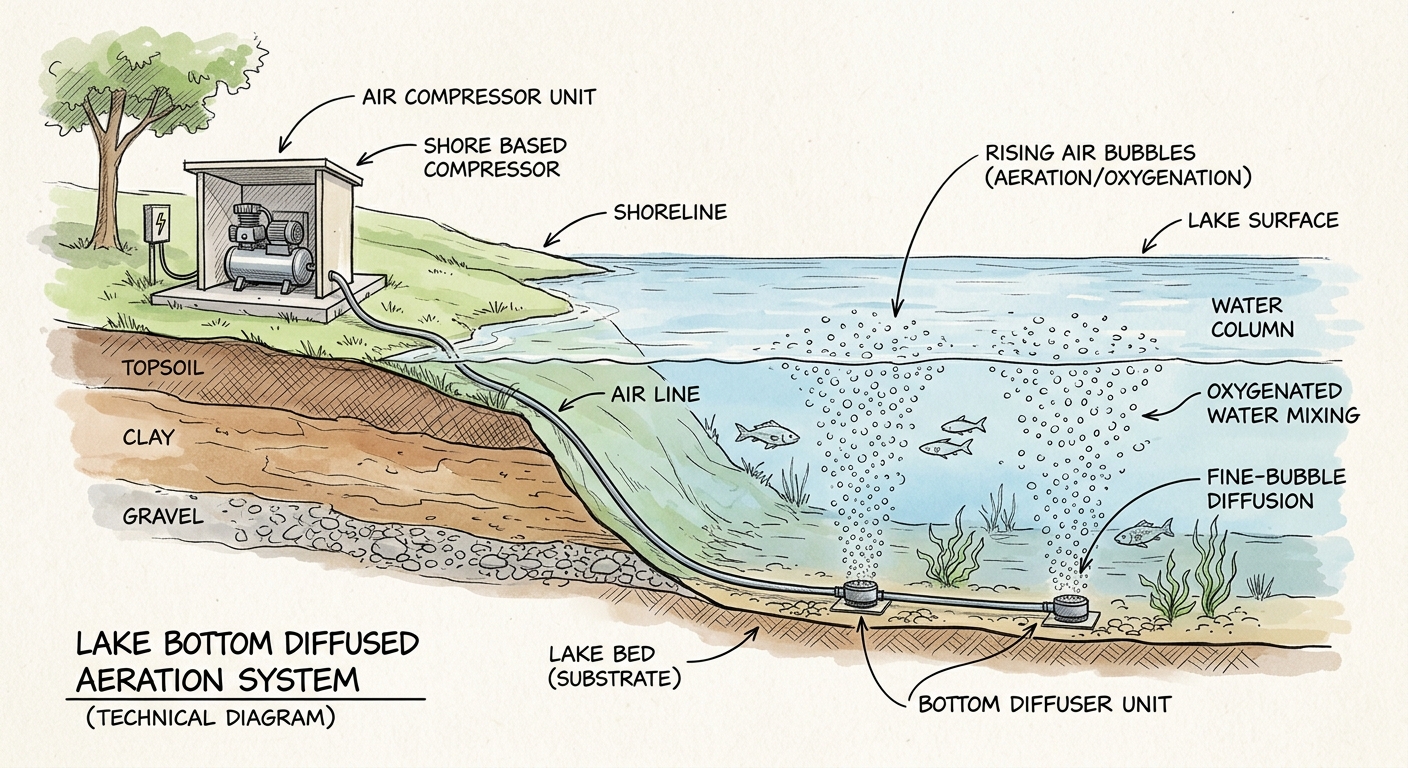
Budget and power availability also play a role. Diffused systems use shore-mounted compressors connected to bottom diffusers, which means you need electricity near the shoreline. Fountains and surface aerators are installed directly in the water and may require underwater power runs or solar-powered units for remote locations.
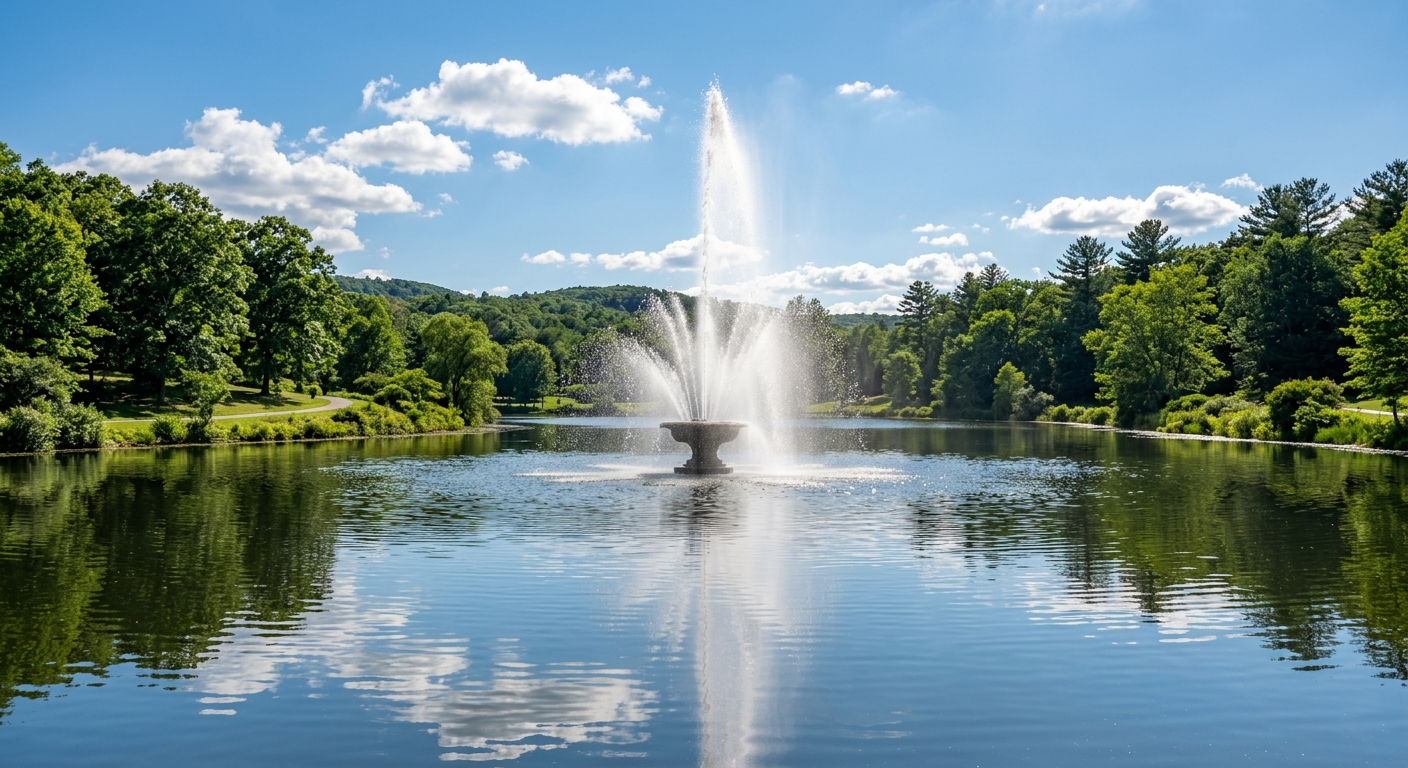
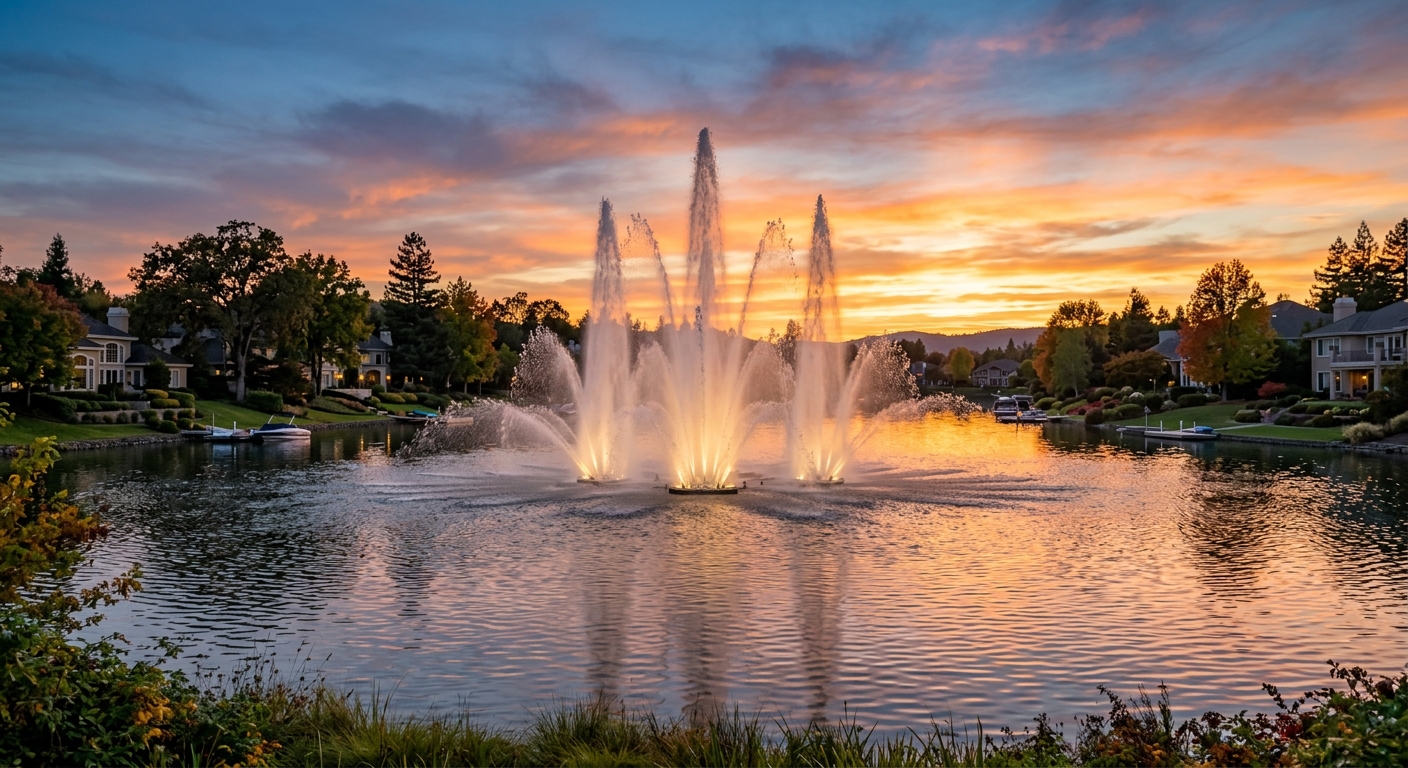
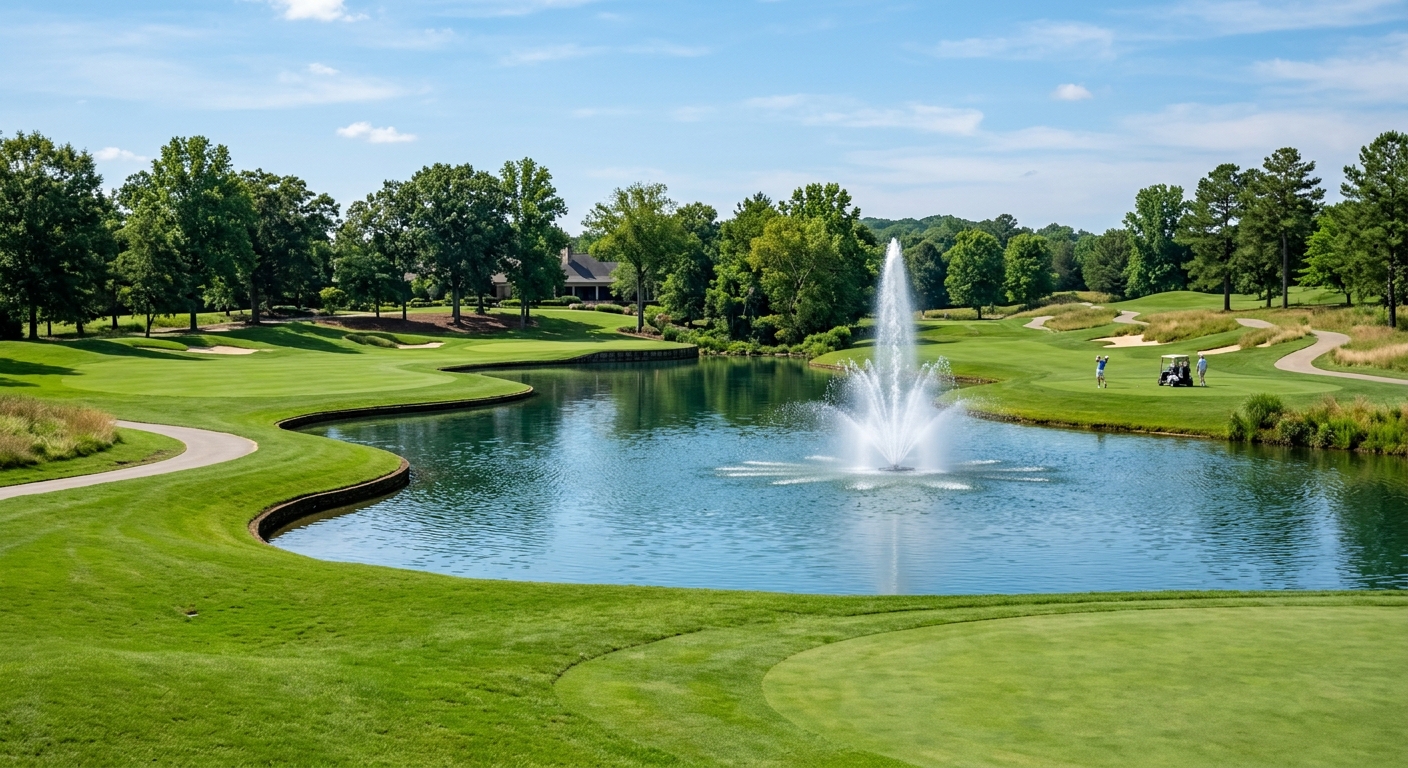
- Surface aerators and fountains primarily transfer oxygen and circulate near-surface water
- Bottom-diffused systems commonly entrain and mix water; they do not simply deliver bubble oxygen to the lakebed
- Remote sites without grid power: solar-powered aerators and compressors are available for off-grid installations
Sizing and installation considerations
Sizing requires an oxygen and mixing budget that accounts for basin volume and hypsography, density stability, field oxygen-transfer efficiency, diffuser depth, pressure losses, oxygen demand, seasonal load, redundancy, and the outcome being protected. Universal acres, depth, PSI, CFM, or diffuser-count rules are not a defensible design.
Installation and startup require qualified electrical work, secured lines and moorings, navigation and ice-hazard controls, a baseline profile, staged operation, and written stop criteria. The time and direction of response are site-specific; do not promise improvement within a fixed number of days or rapidly destratify oxygen-poor deep water.
- Calculate total water volume and oxygen demand before selecting equipment capacity
- Position diffuser stations to maximize whole-lake circulation and eliminate dead zones
- Plan for year-round operation: winter aeration prevents ice-related fish kills and keeps an open-water area for gas exchange