
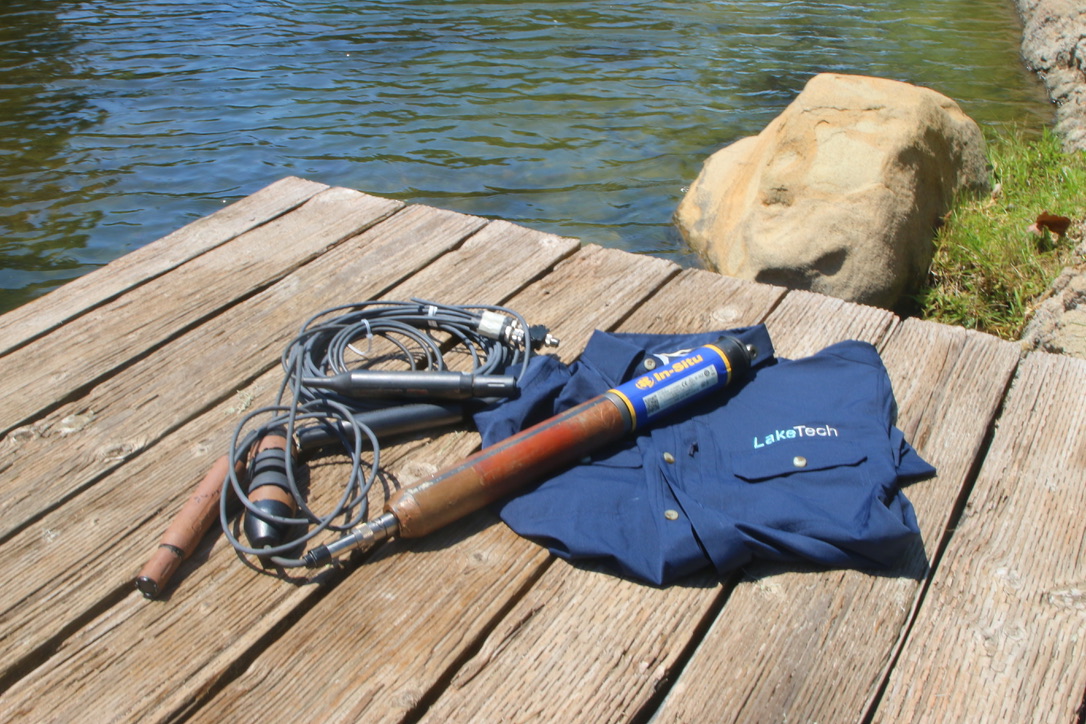
Why regular maintenance matters
According to the source article, LakeTech emphasizes proper maintenance of IoT water quality monitoring equipment to ensure accurate readings, extend device lifespan, and maximize investment.
The article focuses on In-Situ sensors and devices while noting that users should follow manufacturer guidance for their specific equipment.
- Improve data accuracy and reliability.
- Extend the lifespan of equipment.
- Reduce downtime and repair costs.
- Ensure compliance with regulatory standards.
- Optimize monitoring system performance.
Cleaning and care
The source article states that debris, algae, and mineral deposits can accumulate on sensors and affect performance.
General cleaning guidelines from the source article include referring to manufacturer instructions, using mild non-abrasive cleaners, rinsing thoroughly, and avoiding harsh chemicals or abrasive materials.
Cleaning specific sensors
The source article provides sensor-specific cleaning notes.
- Optical DO sensors: gently wipe the sensor face; use a mild detergent solution for stubborn fouling.
- pH/ORP sensors: rinse with clean water and wipe gently; use a dilute acid solution for mineral deposits as recommended by the manufacturer.
- Conductivity sensors: use a soft brush on electrodes; mild detergent for oily residues.
- Turbidity sensors: gently wipe the optical surface and avoid scratching the lens.
Calibration
The source article states that regular calibration is essential for accurate measurements and that In-Situ sensors often feature advanced calibration options.
- Follow the manufacturer's recommended calibration schedule for each parameter.
- Use fresh, unexpired calibration solutions.
- Allow sensors to stabilize in calibration solutions before proceeding.
- Maintain a calibration log to track performance over time.
- Perform field checks between calibrations to verify sensor accuracy.
Storage and transport
The source article notes that proper storage and transport can significantly impact equipment lifespan and performance.
- Store sensors in a clean, dry environment when not in use.
- Use protective caps or storage solutions for pH and DO sensors to prevent drying out.
- Avoid extreme temperatures during storage and transport.
- Secure equipment properly during transport to prevent damage.
- Clean and dry sensors before storage to prevent corrosion or biological growth.
Battery management
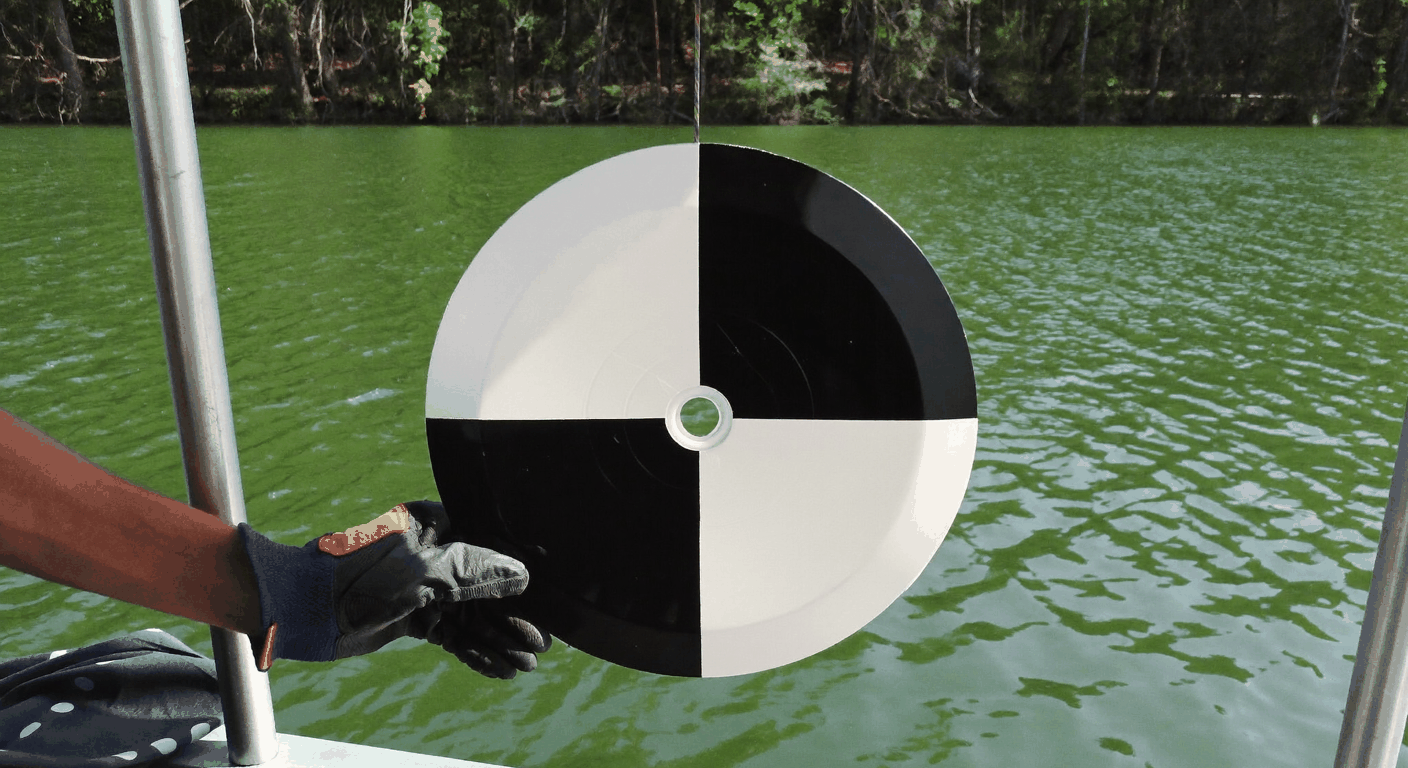
According to the source article, many IoT water quality monitoring devices rely on batteries and require active battery management.
- Use high-quality, recommended battery types.
- Check battery levels regularly and replace as needed.
- For rechargeable batteries, follow proper charging procedures.
- Remove batteries from devices during long-term storage to prevent leakage.
- Dispose of used batteries responsibly according to local regulations.
Software and firmware updates
The source article recommends keeping software and firmware up to date for optimal performance.
- Regularly check for updates from In-Situ or the equipment manufacturer.
- Install updates promptly to benefit from bug fixes and new features.
- Back up data and settings before performing updates.
- Ensure stable power and internet connections during update processes.
Preventive maintenance schedule
The source article suggests a sample preventive maintenance schedule.
- Daily: visual inspection of equipment and connections.
- Weekly: basic cleaning and sensor checks.
- Monthly: thorough cleaning and calibration of all sensors.
- Quarterly: comprehensive system check and software updates.
- Annually: professional servicing and component replacement as needed.
Troubleshooting common issues
The source article lists common problems and initial troubleshooting steps.
- Erratic readings: check for air bubbles, debris, or loose connections; recalibrate if necessary.
- Slow response time: clean sensors thoroughly and check for damage; replace if needed.
- Drift in measurements: verify calibration and check for fouling; recalibrate or clean as required.
- Communication errors: check connections and power sources; update firmware if needed.
- Battery drain: verify logging intervals and communication frequency; replace batteries if necessary.
Professional servicing, environment, and data quality
The source article recommends periodic professional servicing, including annual maintenance checks, expert inspection of complex components, and manufacturer certifications for calibration.
Environmental considerations include anti-fouling measures in biologically active waters, flow-through systems to reduce sediment accumulation, lightning protection, solar power for remote deployments, and proper grounding and surge protection.
Data management guidance includes regular backups, quality control procedures, visualization tools for trend spotting, detailed maintenance records, and periodic review of historical data to assess long-term sensor performance.
Training and conclusion
The source article emphasizes team training on equipment operation and maintenance, staying current with best practices, attending manufacturer workshops or webinars, and maintaining standard operating procedures.
LakeTech states that its team can provide additional guidance, troubleshooting support, and professional servicing to help monitoring programs run smoothly.