The components of a real monitoring program
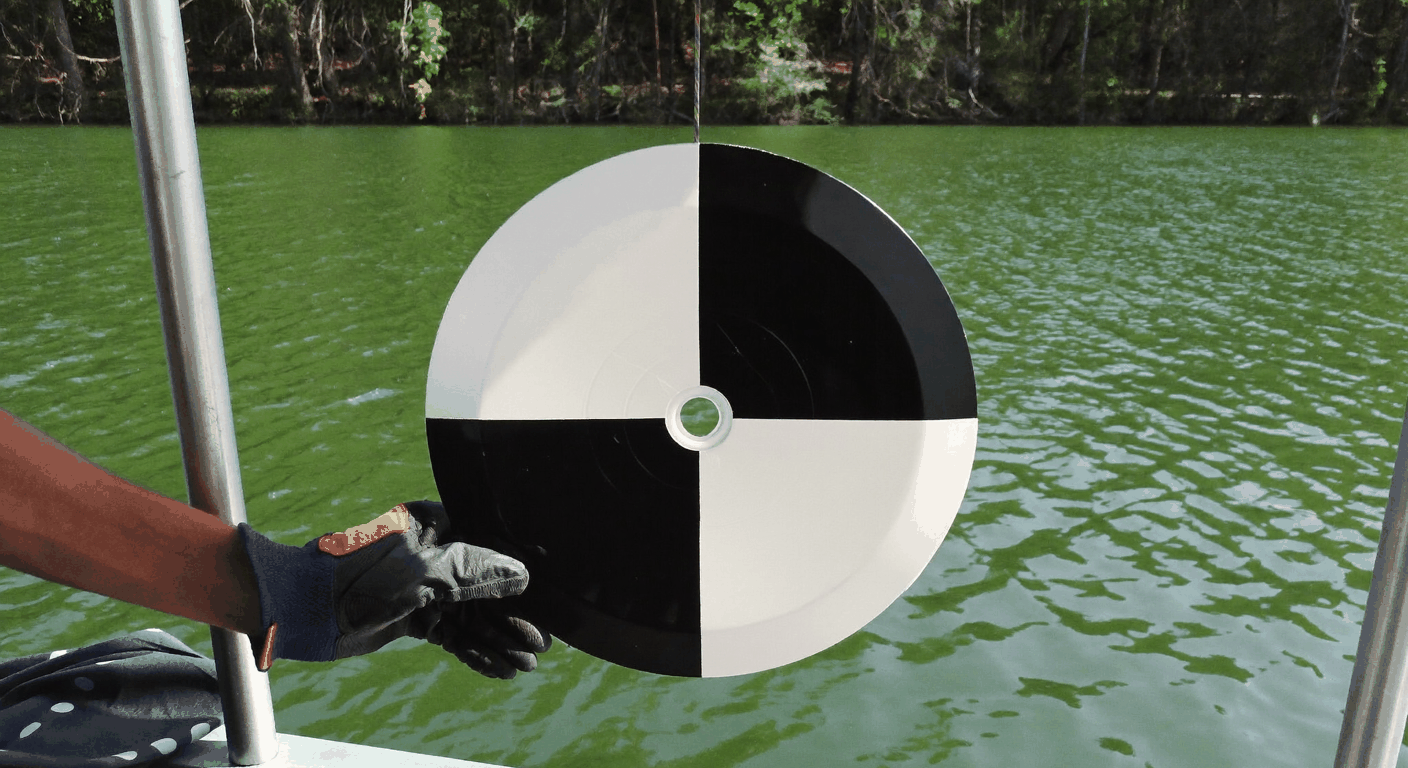
A monitoring program has three practical layers. The first is field measurement: parameters taken on-site during a visit, typically using handheld meters for dissolved oxygen, pH, temperature, and conductivity. These give a snapshot of conditions at the time of visit and are the fastest data to collect.
The second layer is laboratory analysis: water samples collected in the field and sent to a certified lab for analysis of nutrients, bacteria, metals, and other parameters that require more precision than field instruments can provide. Lab results take longer to come back but give a more complete chemical picture.
The third layer, where budgets allow, is continuous monitoring: sensors installed in the waterbody that record key parameters at regular intervals, often transmitting data wirelessly. Continuous monitoring captures patterns across days and weeks that field visits cannot, overnight dissolved oxygen behavior, weather-driven stratification, and the early stages of algae bloom development.
- Field measurements give fast, low-cost snapshots at the time of a visit.
- Lab analysis gives precision on nutrients, bacteria, and complex chemistry.
- Continuous sensors reveal patterns that no schedule of periodic visits can capture.
How often to monitor and what to prioritize
Monitoring frequency depends on the waterbody's complexity and the consequences of missing an early warning sign. A retention pond with no fish and no recreational use requires less frequent attention than a community swimming lake or a pond in a sensitive watershed. The practical starting point for most managed ponds is monthly field visits with lab sampling quarterly, adjusted based on what the data shows.
Parameter priority follows the same logic. Dissolved oxygen is always the most time-sensitive parameter in fish-bearing ponds, a crash can kill fish in hours. Nutrients drive algae management and typically change on a longer timescale, making quarterly or semi-annual lab testing appropriate. Bacteria counts matter most where there is human contact and may be required by permit or regulation.
- Start with monthly field visits and quarterly lab sampling as a baseline for most managed ponds.
- Adjust frequency upward when early results show active problems.
- Prioritize dissolved oxygen monitoring for any pond with fish or where oxygen events have occurred before.
What monitoring data is worth keeping and how to keep it
The most common data management failure in lake and pond monitoring is not collecting too little data, it is storing it in a format that makes comparison across time periods difficult. Field readings written in a notebook, lab results in a folder of PDFs, and historical data in a spreadsheet that was last updated two years ago are individually fine; together, they create a situation where nobody can quickly answer the question 'what has changed over the past three seasons.'
Software that stores all three data types in one place, organized by site and date, turns monitoring records into a genuinely useful management tool rather than an archive that only gets opened when something goes wrong.
- Consistent data structure matters as much as data collection frequency.
- Storing field readings, lab results, and monitoring data in one system enables real trend analysis.
- The test of a good monitoring record is whether it can answer a question about the past, not just document the present.