What a lake management consultant actually does
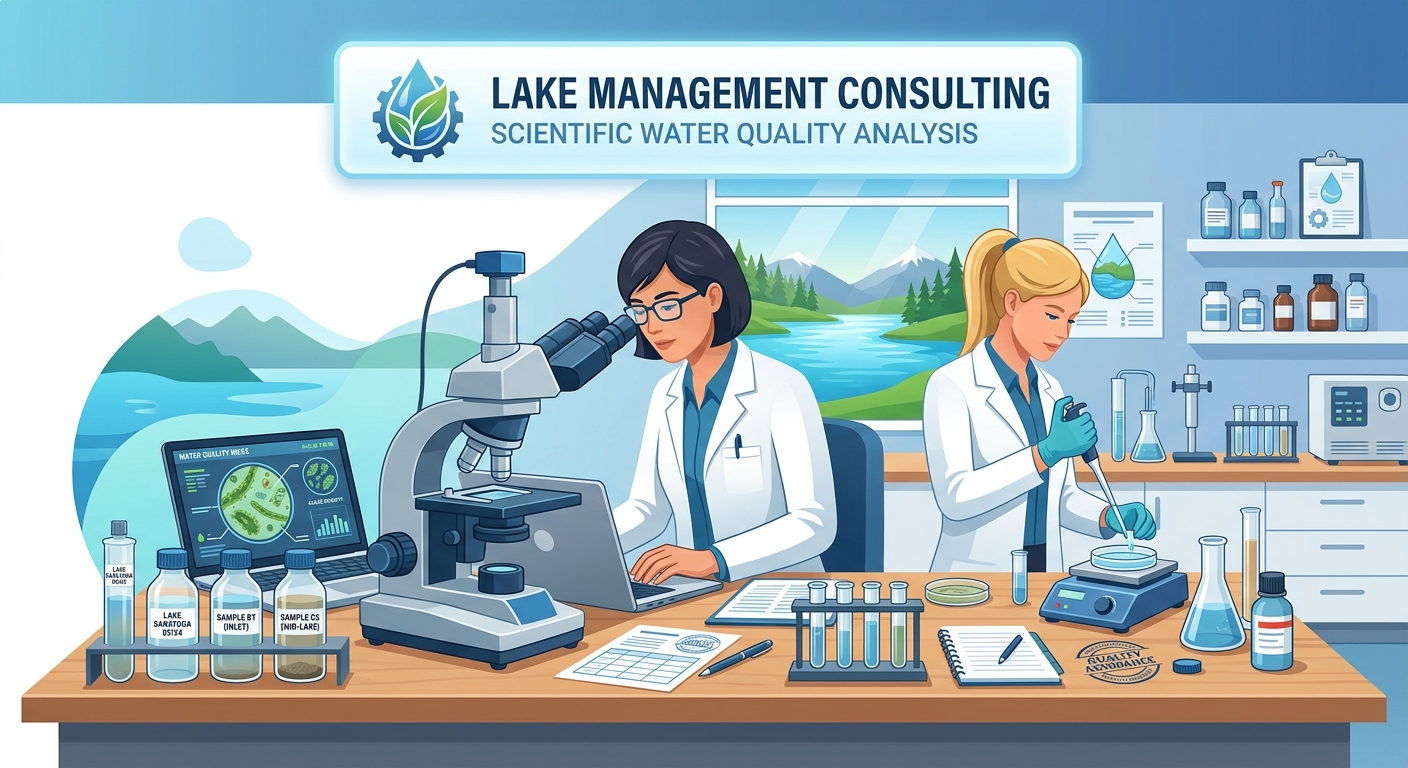
A lake management consultant evaluates your waterbody's physical, chemical, and biological condition and helps you understand what is happening and why. That usually starts with a site visit, water testing, sediment evaluation, and a review of the watershed, the land area that drains into your lake or pond. The goal is to identify the root causes of problems rather than just treating symptoms.
From there, the consultant develops recommendations tailored to your specific situation. That might mean a nutrient reduction strategy, a sediment management program, shoreline restoration, aeration installation, or some combination. The recommendations should come with realistic timelines, cost ranges, and measurable goals so you know what to expect.
- Site assessments that evaluate water quality, sediment, shoreline condition, and watershed inputs.
- Root-cause diagnosis rather than just treating visible symptoms like algae or odor.
- Management recommendations with realistic timelines and cost expectations.
When hiring a consultant makes sense
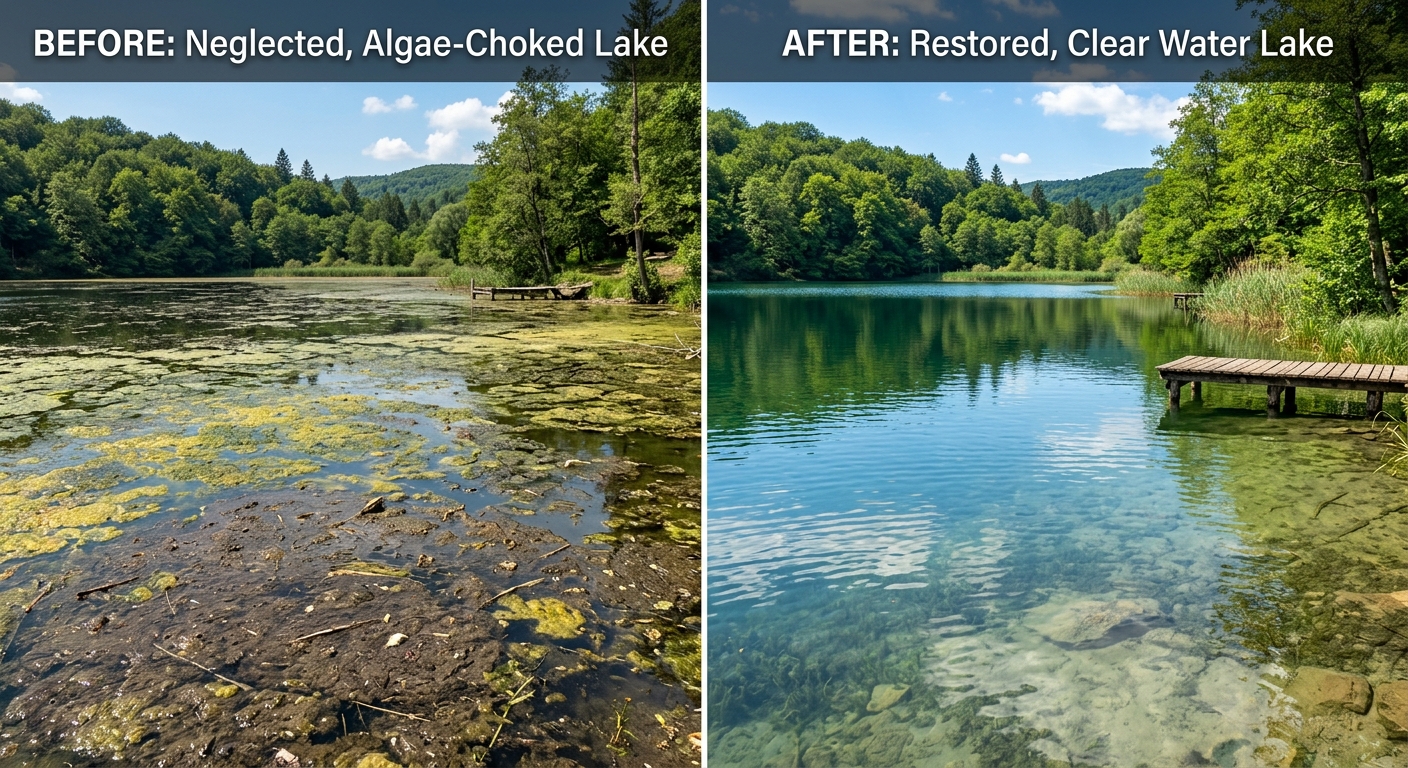
The clearest signal is when you have tried treatments that are not working or when problems keep coming back season after season. Recurring algae blooms, persistent odor, fish kills, or steadily declining water clarity usually indicate an underlying issue that surface-level treatment will not solve. A consultant can figure out what is actually driving the problem.
Hiring a consultant also makes sense before you spend significant money. If you are considering dredging, aeration, chemical treatment, or a biological program, a professional assessment helps you target the right intervention for your specific conditions. Spending a few thousand dollars on expert diagnosis can save you from spending tens of thousands on the wrong solution.
- Recurring problems that keep returning despite treatment efforts.
- Before committing to expensive interventions like dredging or large-scale aeration.
- When regulatory agencies require documentation of water quality conditions or management plans.
What to look for in qualifications and experience
Look for consultants with formal education in limnology, aquatic biology, environmental science, or a related field, and real field experience managing waterbodies similar to yours. Certifications from organizations like the North American Lake Management Society (NALMS) or state-level aquatic management programs add credibility, but hands-on experience with your type of waterbody matters more than credentials alone.
Ask about their diagnostic process and what deliverables you will receive. A good consultant should be able to explain their approach in plain terms, provide written reports with data, and give you recommendations that are specific enough to act on. Be cautious of anyone who prescribes a treatment before they have seen your water.
- Education in limnology, aquatic biology, or environmental science combined with field experience.
- Willingness to explain their process and provide written, data-backed reports.
- Specific recommendations for your waterbody, not generic advice that could apply to any lake.