



Skip to content
Lake and pond expertiseSoftware, monitoring, and consulting
LakeTech homeEducationWater Quality Probiotics
Outcome-led search intent

Water Quality Probiotics

Searchers want to know whether beneficial bacteria and probiotic-style treatments can help with sludge, odor, nutrients, and overall pond quality. The best answer connects those goals to site conditions, ongoing maintenance, and realistic treatment design.

LakeTech is a distributor of MuckBiotics and uses this content to explain how beneficial-bacteria conversations intersect with real pond and lake management goals.

Articles

Explore Water Quality topics

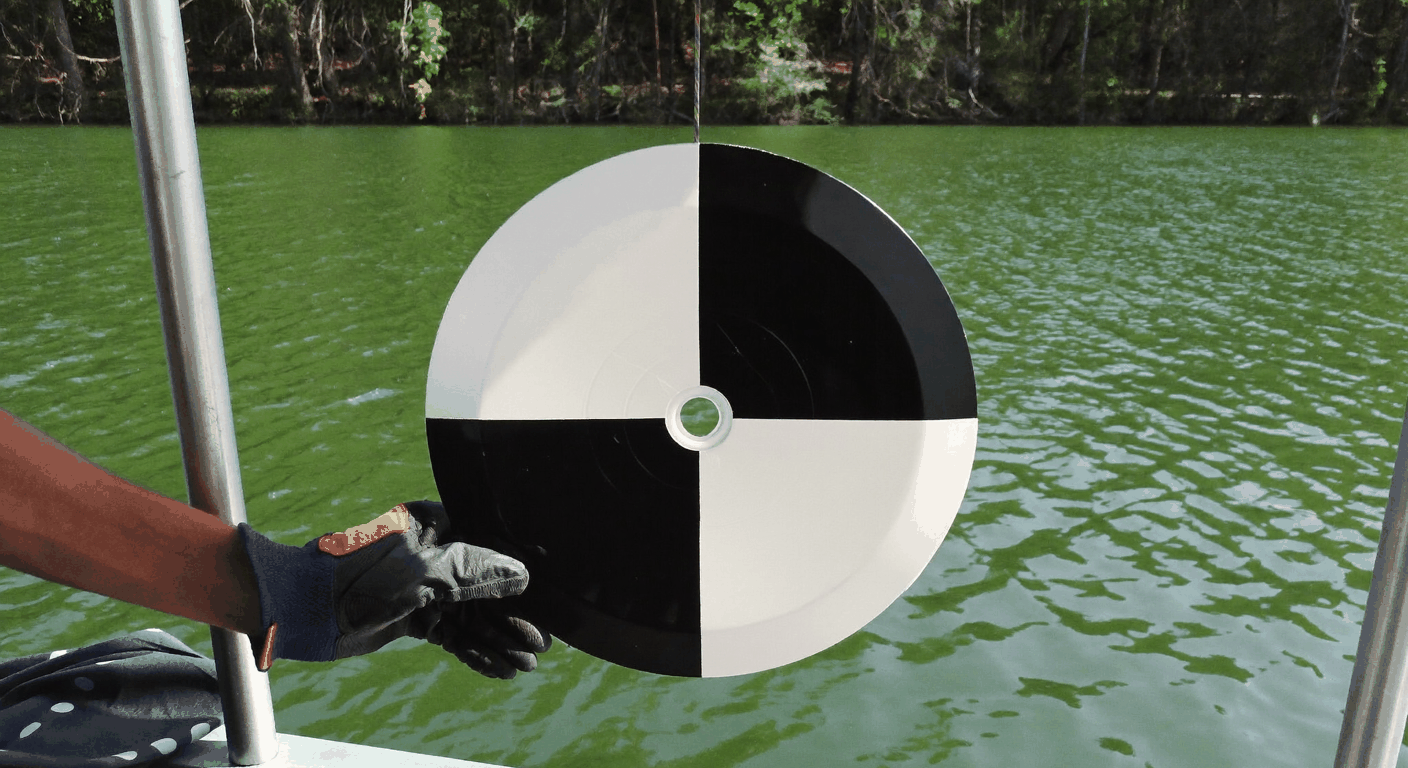
Gloved hand lowering a black and white Secchi disk into green lake water beside a boat
Water Quality

Do Probiotics Improve Water Quality?

A realistic look at whether probiotic-style pond and lake treatments can improve water quality and what factors shape the answer.

Read more →
Natural pond with water lilies in bloom and a densely vegetated forest shoreline
Water Quality

Beneficial Bacteria for Ponds: What Buyers Mean by the Phrase

Understand what buyers mean when they search for beneficial bacteria for ponds and how that conversation overlaps with sludge management and MuckBiotics.

Read more →
Golf course pond with a spray fountain running beside a fairway
Water Quality

Reducing Sludge, Odor, and Nutrients Without Overpromising Results

Learn how to talk about sludge, odor, and nutrient-related treatment goals in a realistic way that helps buyers compare beneficial-bacteria programs with larger remediation options.

Read more →
Aerial view of a neighborhood lake bordered by homes, a dock, and a walking path
Water Quality

How a Lake Treatment Program With MuckBiotics Should Be Framed

Learn how to frame a lake treatment program with MuckBiotics by focusing on site conditions, goals, pacing, and the role of distributor guidance.

Read more →
City park lake with people walking a shoreline path and small boats on the water
Water Quality

Pond Odor Treatment: What Causes the Smell and How to Address It

Understand what causes pond odor, how organic sludge and low oxygen conditions contribute, and what treatment approaches work best for persistent pond smell.

Read more →
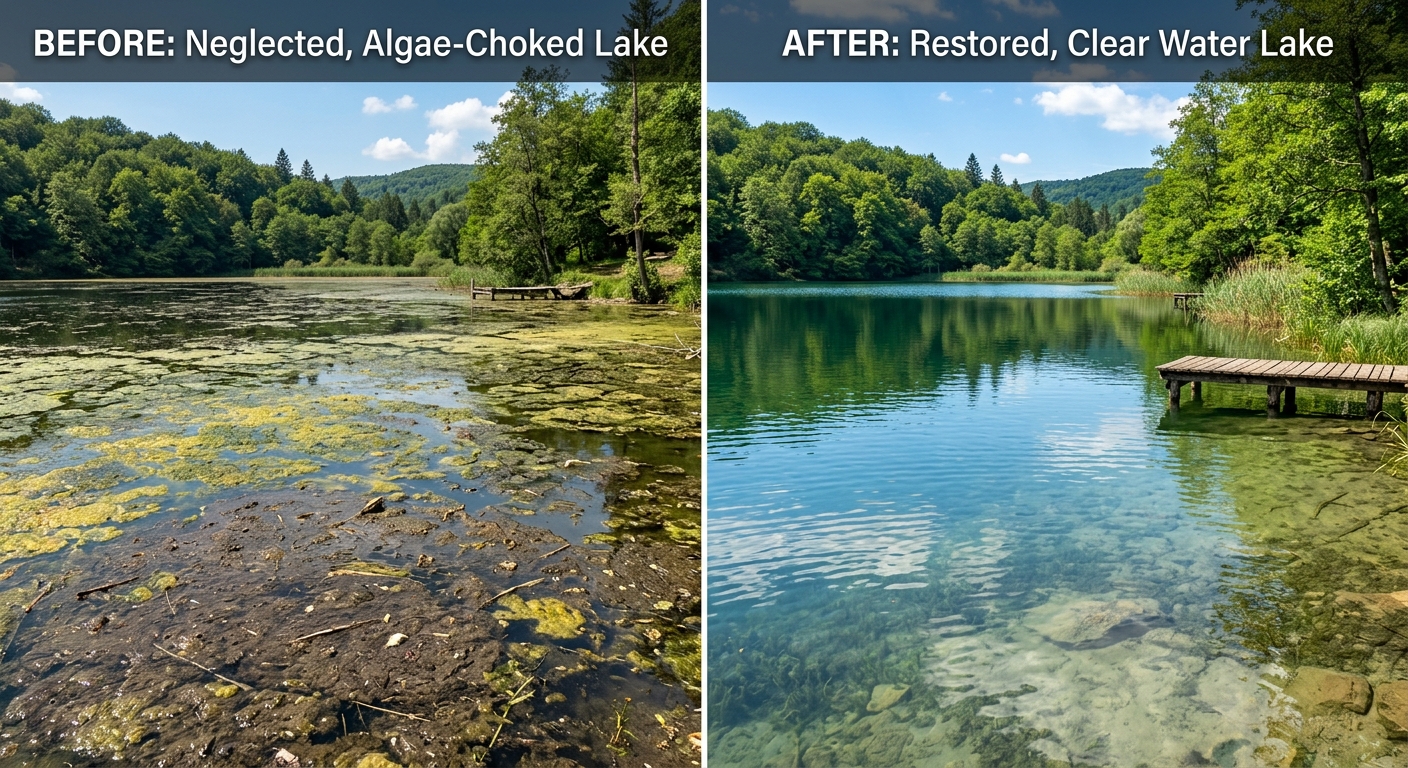
Split-screen illustration comparing an algae covered pond bottom with a clear pond after treatment
Water Quality

Pond Phosphorus Reduction: How Biological Treatment Fits the Picture

Learn how excess phosphorus builds up in ponds and lakes, how organic sediment acts as an internal nutrient source, and where biological treatment fits in a phosphorus management strategy.

Read more →
Gloved hand lowering a black and white Secchi disk into green lake water beside a boat
Water Quality

Pond Water Clarity Improvement: What Affects Clarity and What Can Be Done

Understand what causes poor pond water clarity, how organic muck, algae, suspended particles, and nutrients each contribute, and what treatment options address each cause.

Read more →
Natural pond with water lilies in bloom and a densely vegetated forest shoreline
Water Quality

Pond Algae and Beneficial Bacteria: How Biological Treatment Fits the Algae Conversation

Understand how beneficial bacteria and biological muck treatment connect to pond algae management, including what bacteria can address and where dedicated algae control is still needed.

Read more →
Golf course pond with a spray fountain running beside a fairway
Water Quality

Aquatic Bacteria Treatment Guide: How to Choose the Right Biological Program

A practical guide to understanding aquatic bacteria treatment options for ponds and lakes, including what to look for in a product, how programs are designed, and how LakeTech approaches the selection process.

Read more →

Why probiotics show up in water-quality searches
Split-screen illustration comparing an algae covered pond bottom with a clear pond after treatment

Pond owners often search for "probiotics" because they want a simple mental model for a messy problem. They are trying to connect beneficial bacteria, sludge reduction, odor control, and cleaner-looking water into one understandable treatment category.

That makes this hub useful for both education and discovery. It lets LakeTech answer broad outcome questions before guiding readers toward the MuckBiotics brand where it fits.

  • Searchers want outcomes explained in plain language.
  • Water quality, sludge, and odor are usually part of the same conversation.
  • The strongest pages avoid overclaiming and explain conditions clearly.

What responsible pages should say

Good pages do not promise that any probiotic-style treatment will solve every water-quality problem. They explain that beneficial-bacteria programs are usually discussed in the context of organic load, nutrient cycling, maintenance practices, and whether the owner's goals are incremental or immediate.

This creates stronger commercial content because readers trust pages that keep the science conversation grounded in practical management decisions.

  • Stay specific about the problem being addressed.
  • Avoid universal language about water quality improvement.
  • Link science-style education to real planning decisions.
FAQ

Frequently asked questions

Can one page answer every probiotic question?

Not well. That is why this hub branches into water quality, bacteria, odor, nutrient, and treatment-program pages instead of trying to force every intent into one article.

Ready to get started?

Start planning your Water Quality project today

Move from broad probiotic research to a real MuckBiotics fit discussion.

Plan a LakeTech treatment program