
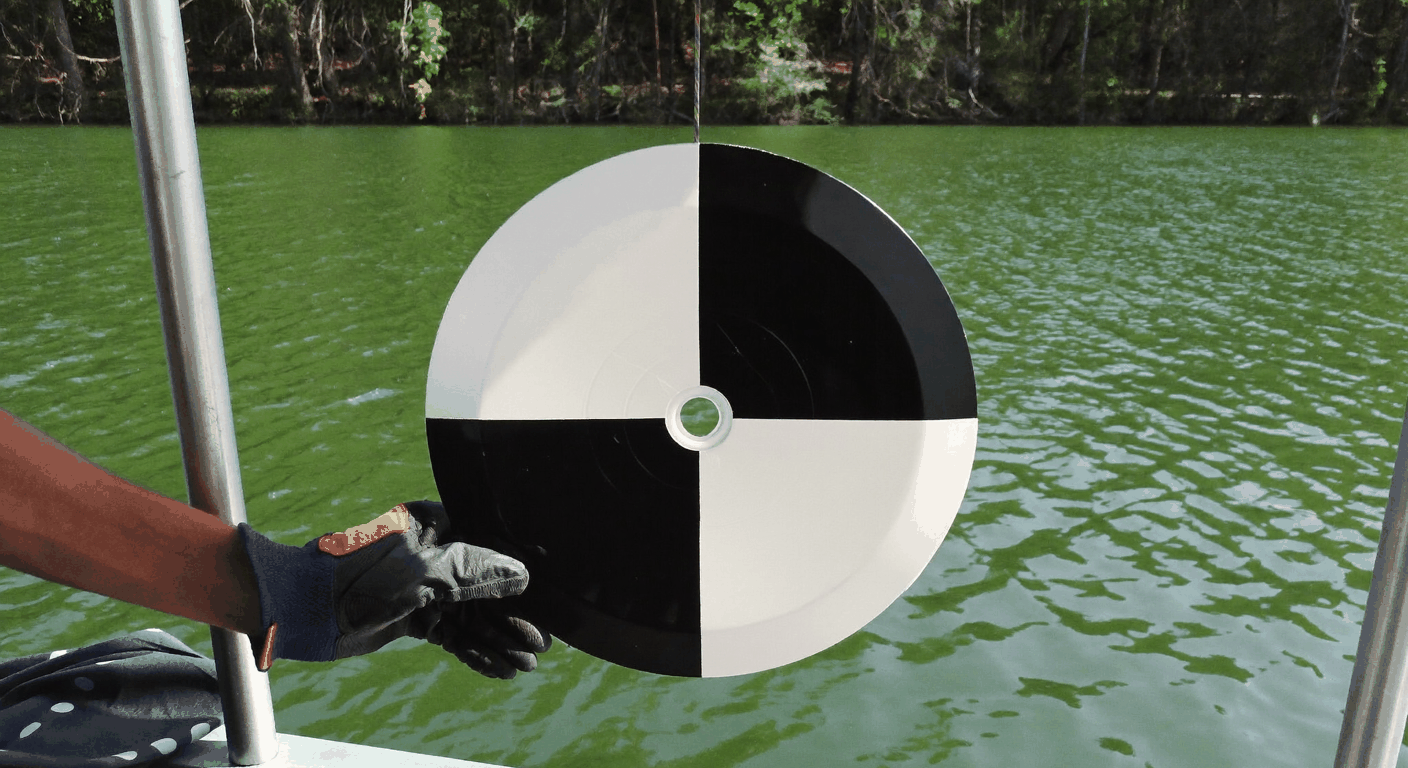
Not all murky ponds have the same problem
Green or brown water, pea-soup conditions, and persistent cloudiness can each indicate very different problems. Green water is typically algae-driven. Brown tannin-stained water often comes from decomposing organic matter. Cloudy or gray water can indicate clay or fine mineral particles in suspension. Each of these needs a different treatment approach.
Lumping all clarity problems under one solution often leads to investment in treatments that address the wrong problem. LakeTech starts clarity conversations by helping owners identify what is actually causing the turbidity before recommending any product.
- Green water is usually an algae problem fueled by nutrients.
- Brown tannin staining comes from organic leaching, not turbidity.
- Gray or cloudy water often indicates fine suspended particles, not biology.
How biological treatment and other products address clarity
For clarity problems driven by organic nutrient release from bottom sediment, biological treatment programs that reduce the muck layer can improve clarity over time by reducing the internal nutrient source that fuels algae growth.
For immediate clarity improvement where suspended particles or phosphorus-fueled algae are the issue, flocculant products that cause particles to aggregate and settle can produce faster visible results. LakeTech works with both biological and flocculant approaches depending on what the pond's clarity problem actually requires.
- Biological treatment addresses clarity by reducing long-term nutrient loading from sediment.
- Flocculants provide faster clarity improvement by binding suspended particles.
- Combining both approaches often produces the most durable clarity improvement.