The problem Metafloc is designed to address
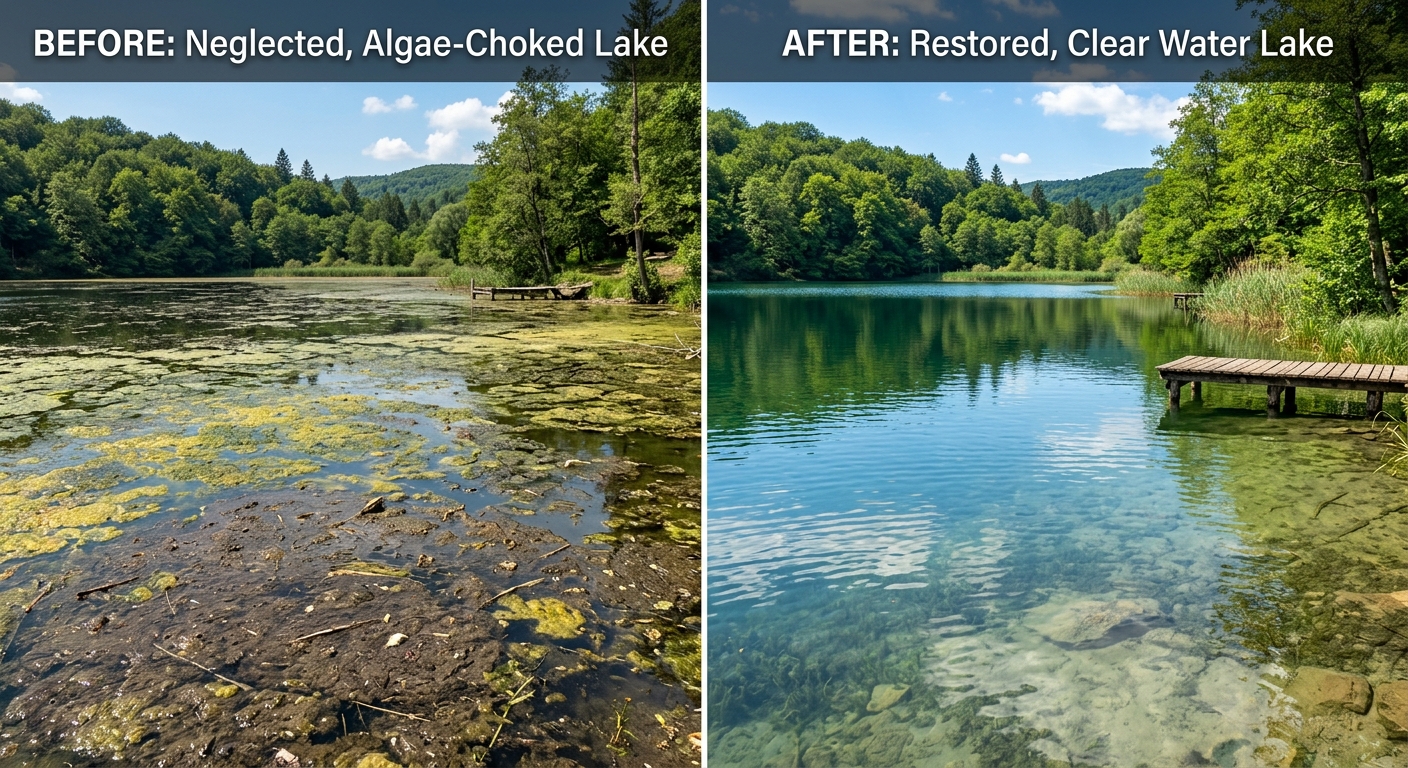
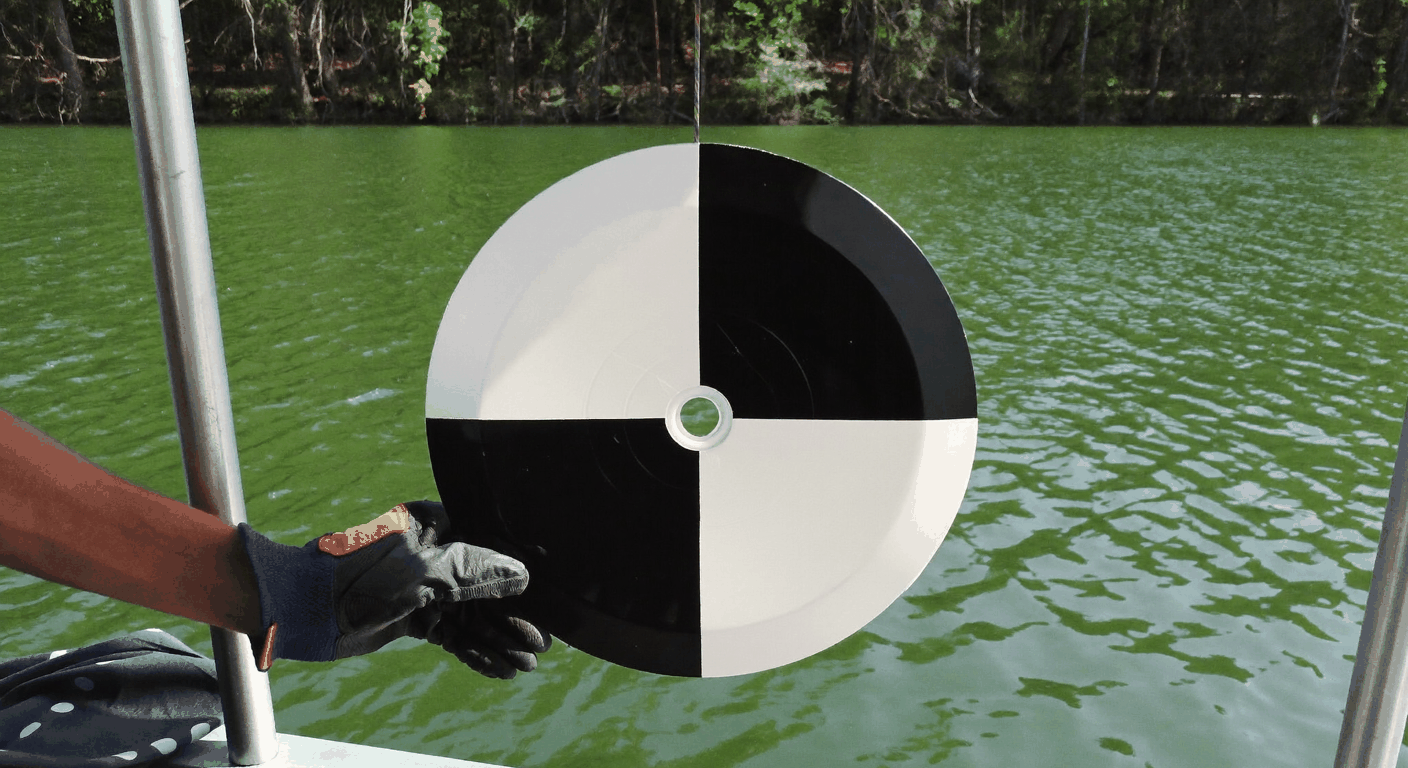
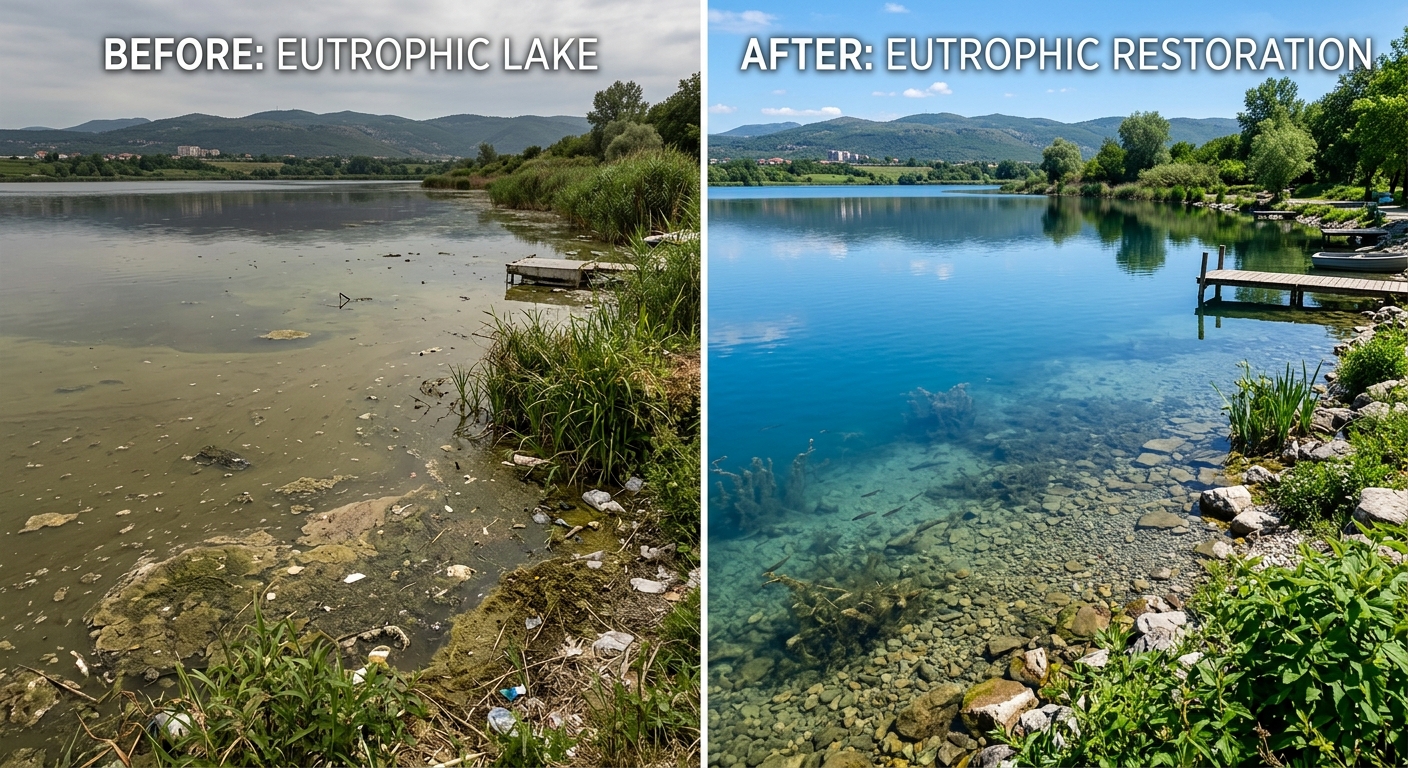
Ponds and lakes that suffer from persistent turbidity, recurring algae fueled by high phosphorus levels, or poor water clarity despite good maintenance often have an internal water chemistry problem that biological treatment alone cannot fully resolve. Fine suspended particles, colloidal clay, or phosphorus released from bottom sediment can keep water murky and nutrient-loaded regardless of how well the surrounding land is managed.
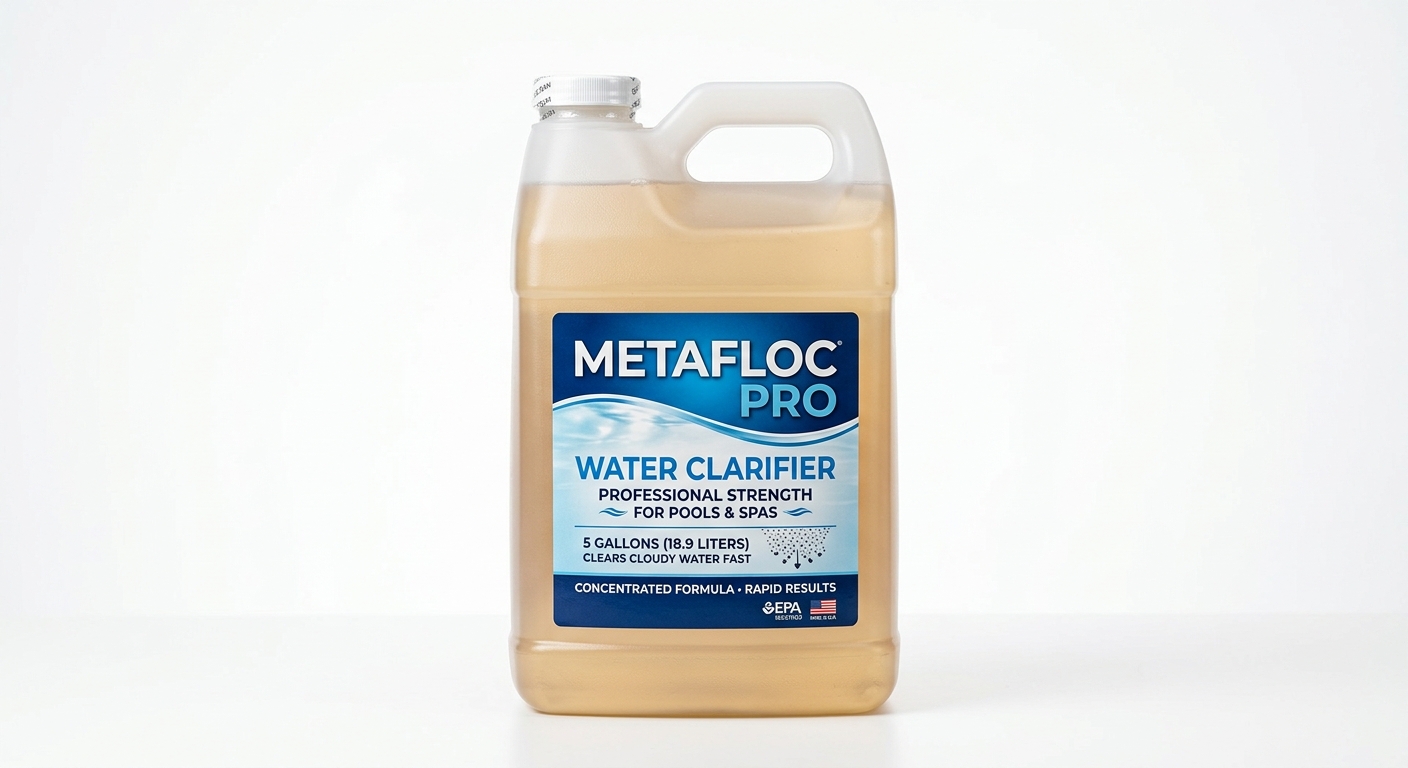
Metafloc addresses these problems through flocculation, a process where fine particles and dissolved phosphorus are caused to aggregate into larger clusters that settle out of the water column, clarifying the water and reducing internal nutrient availability.
- Persistent turbidity despite good management is a common indicator for Metafloc.
- Phosphorus-driven algae that returns repeatedly may benefit from a flocculant program.
- Metafloc works in the water column rather than on bottom sediment directly.
How LakeTech uses Metafloc in a broader treatment plan
LakeTech typically introduces Metafloc in conversations where biological muck treatment alone is not addressing the full water quality picture. In ponds with both significant organic sludge and high internal phosphorus loading, combining a MuckBiotics biological program with a Metafloc flocculant application can address multiple problems in a coordinated way.
The goal is not to apply every product available, but to match specific treatments to specific problems. Metafloc is the right conversation when clarity and phosphorus management are the primary goals and the pond conditions support a flocculant approach.
- Metafloc complements biological treatment when phosphorus and clarity are the main issues.
- Combined programs address both bottom organic sediment and water column nutrient problems.
- LakeTech helps owners decide which products to combine and which to use alone.
What buyers researching Metafloc want to understand first
Most buyers come to Metafloc after trying other treatments that have not resolved their clarity or algae problems. They want to know how flocculation works in plain terms, how it compares to alum and other options they may have heard about, and what a LakeTech-guided program looks like.
This hub answers those questions across a set of practical pages covering mechanism, dosage, application, timelines, comparison options, and what to expect from a LakeTech conversation before purchasing.
- Plain-language mechanism explanation before product details.
- Honest comparison with alum and other flocculant options.
- Program planning before purchase rather than generic instructions.

 Regulatory and safety concerns
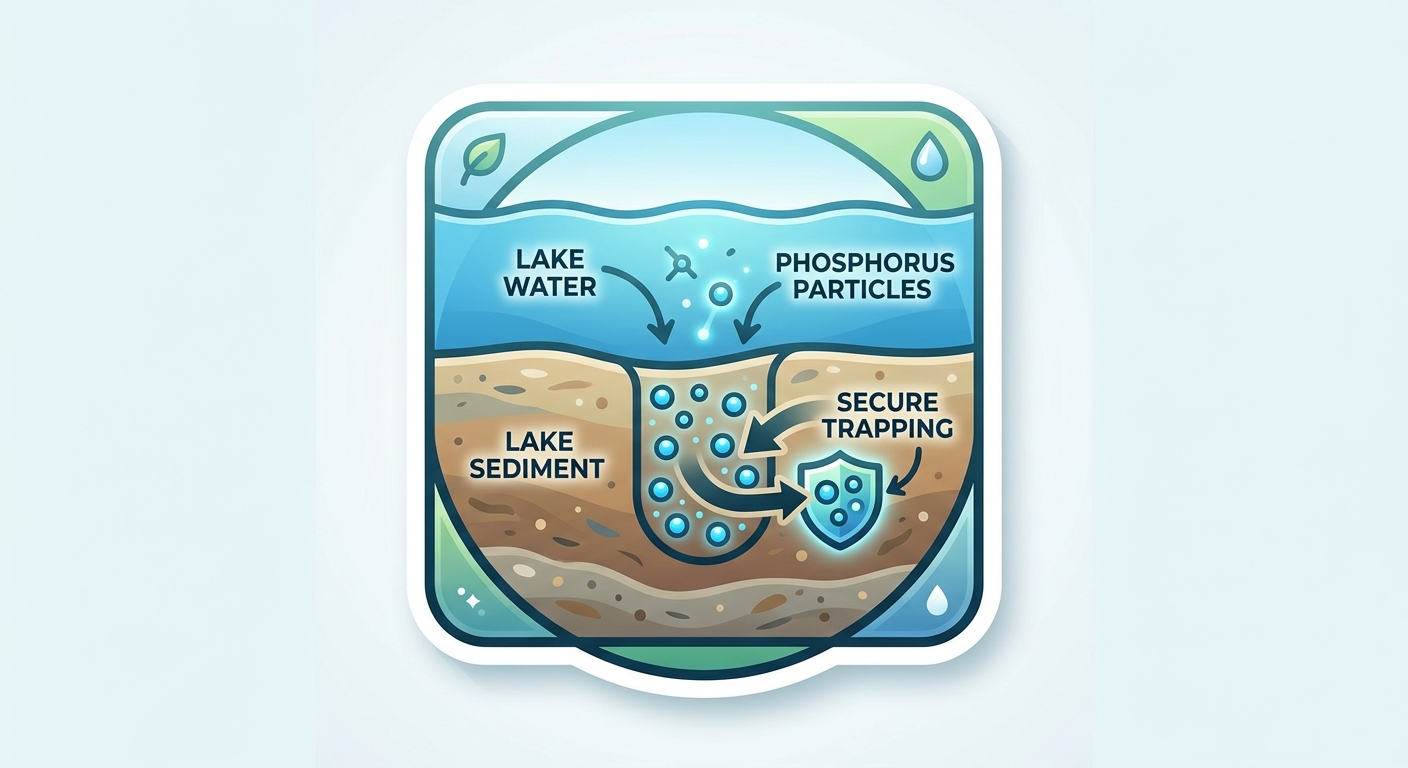 Internal phosphorus loading
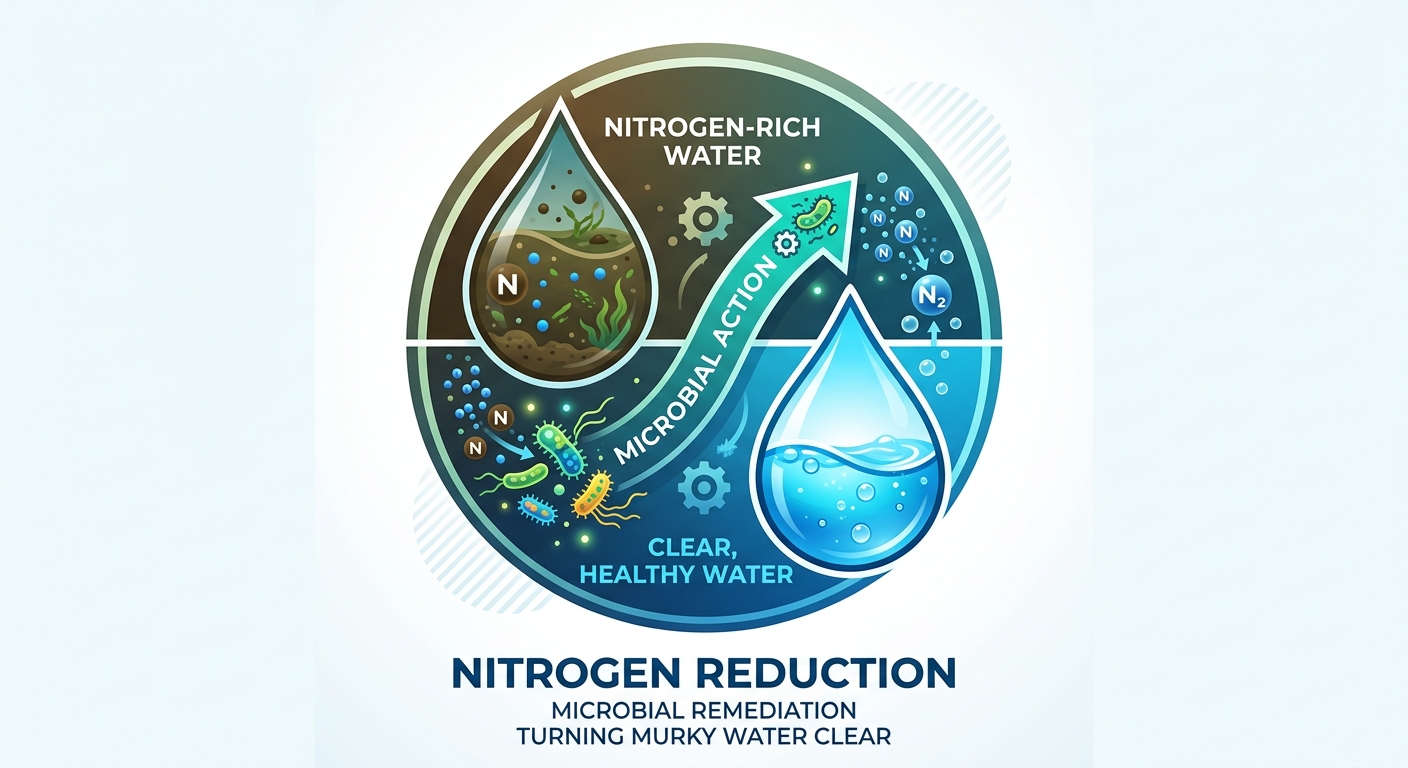 High nitrogen levels
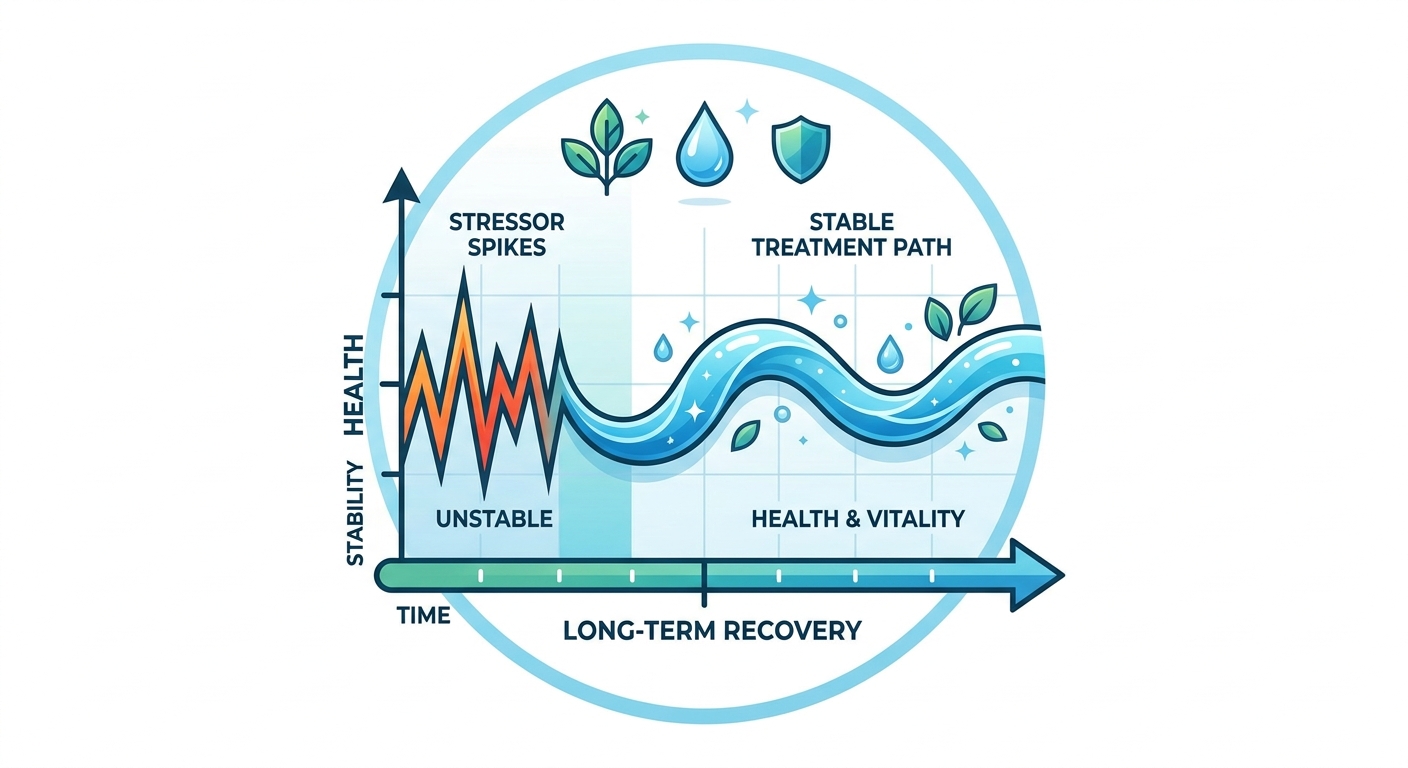 Short-term treatment limitations
 Application flexibility