
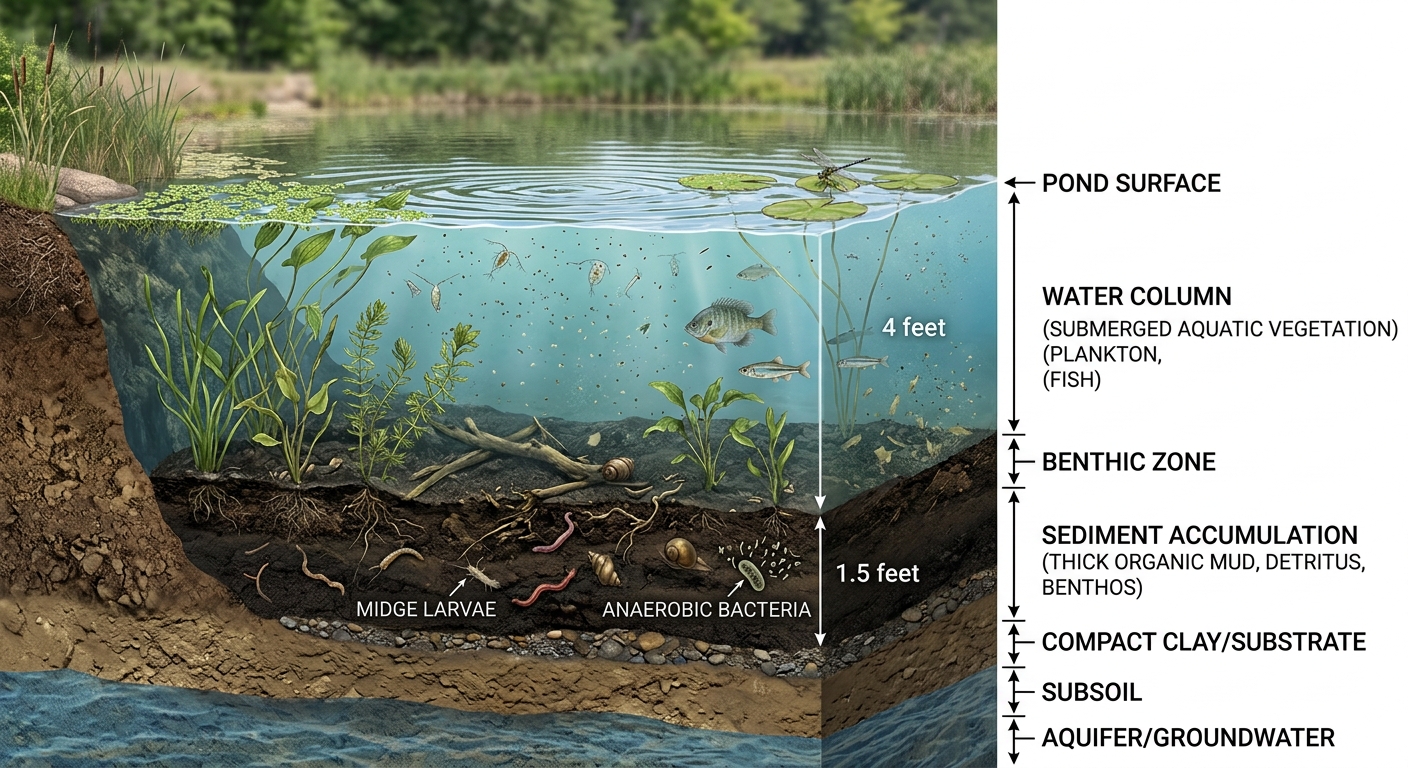
Why 'best' is a fit question
Searchers often want a winner list, but that is usually the wrong frame. The best pond muck remover for organic sediment is the one that aligns with the actual sludge problem, the size of the pond, and the owner's willingness to follow a treatment and maintenance program.
That is why a practical checklist is more useful than a ranked product list. Understanding what makes a product fit your pond helps you make a smarter choice.
- Identify whether the pond problem is truly organic sediment.
- Check whether the owner wants staged improvement or immediate excavation.
- Compare the quality of guidance, not just the product promise.
How LakeTech uses MuckBiotics in this conversation
LakeTech positions MuckBiotics as one credible option for owners dealing with organic sludge who want a biological treatment path. It should be evaluated in the context of pond conditions, maintenance constraints, and what a realistic success story looks like.
That positioning is more useful than simply calling one product the best for everyone. Knowing who should keep reading and who should probably explore a different option saves time and avoids wasted money.
- Check product-specific pages once you know the general approach fits.
- Honest comparisons help more than exaggerated claims.
- Understanding your pond's needs matters more than chasing a "best" label.