California's climate zones and what they mean for your pond or lake
California spans an enormous range of climates, from the foggy, cool coasts of the North to the arid deserts of the Inland Empire and the hot agricultural expanses of the Central Valley. These climate differences directly affect water temperature, evaporation rates, algae growth patterns, and how biological treatments perform throughout the year. A pond near Eureka will have a very different management calendar than one in Palm Springs.
The state's Mediterranean climate, wet winters and dry summers in most regions, means that many waterbodies experience their lowest water levels and highest nutrient concentrations in late summer and early fall. This seasonal concentration effect is one of the most common triggers for algae blooms and water quality complaints from property owners.
Drought is a recurring reality across the state. Multi-year droughts reduce inflows, concentrate nutrients, and can expose shoreline sediments that release phosphorus when re-wetted. Pond and lake owners who understand their local precipitation patterns and plan for low-water years will have fewer emergency situations to manage.
- Northern California receives 40-100+ inches of annual rainfall; parts of Southern California receive under 10 inches.
- Water temperatures in the Central Valley can exceed 85°F in summer, accelerating biological activity and oxygen demand.
- Drought cycles reduce dilution capacity and concentrate nutrients, making proactive management more important.
- Coastal fog zones have cooler water and slower biological cycling compared to inland areas.
Common waterbody types across the state
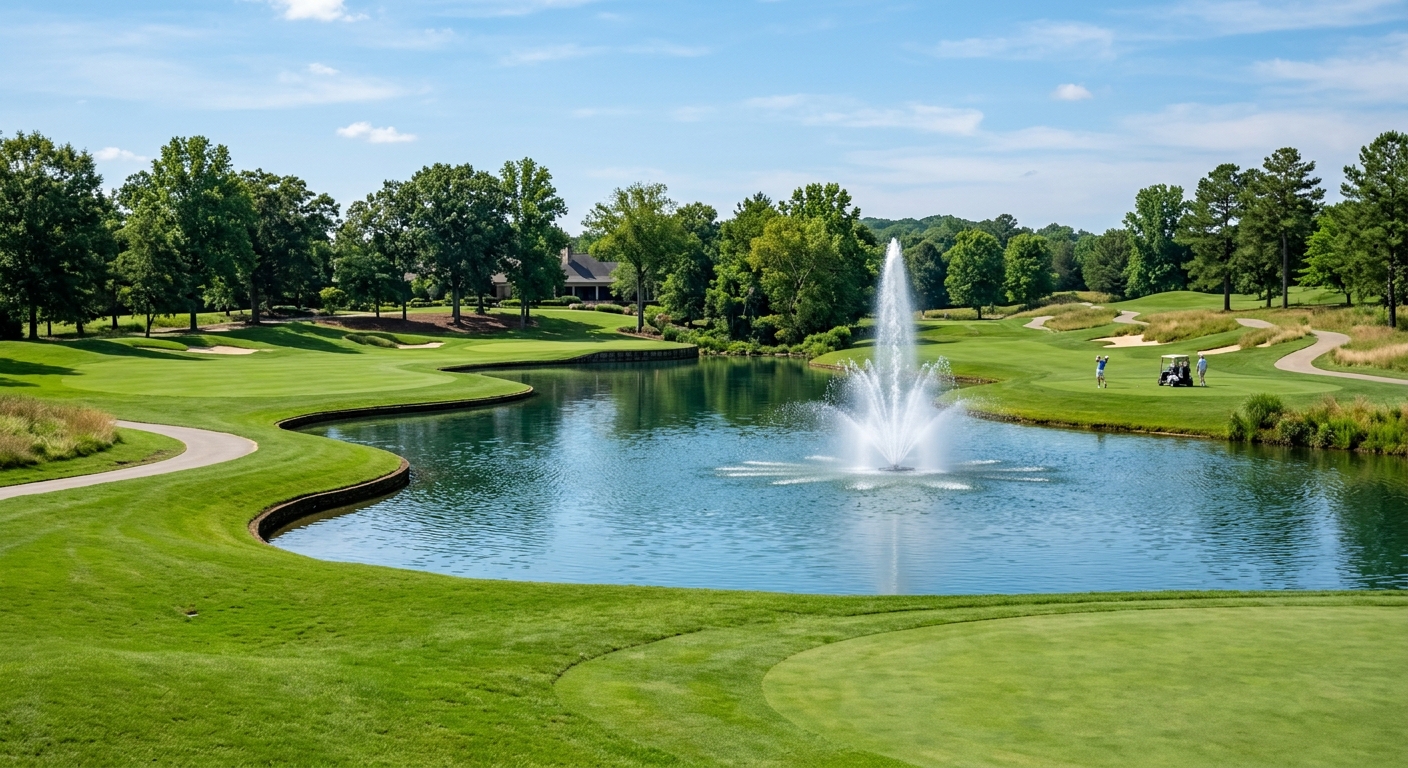
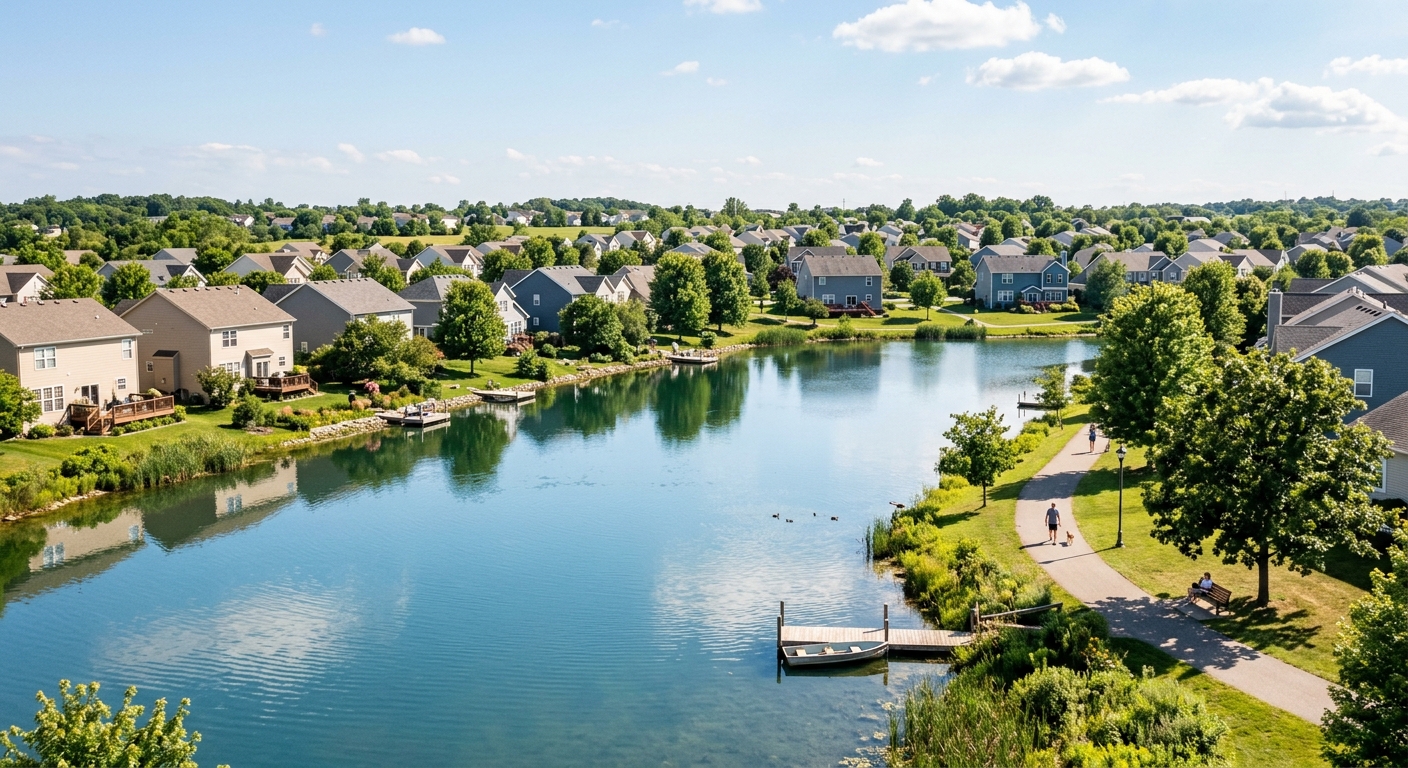
California has a wide variety of managed waterbodies. Large public reservoirs like Shasta, Oroville, and Don Pedro serve as water supply and flood control. Mid-size lakes such as Clear Lake and Lake Elsinore have long histories of water quality challenges tied to nutrient loading from their watersheds. Smaller private ponds, on ranches, golf courses, vineyards, and in HOA communities, are the waterbodies where individual owners have the most direct control over management decisions.
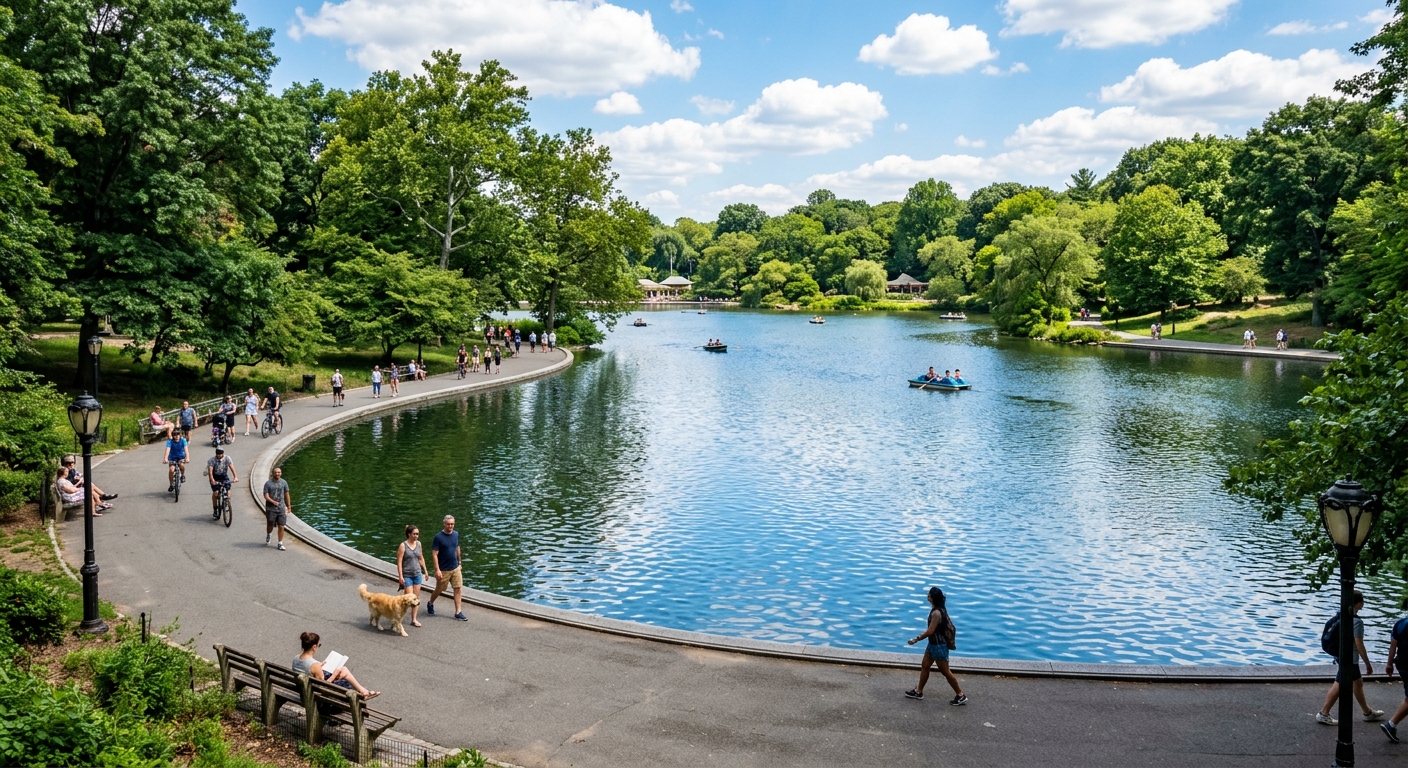
Many of Southern California's urban lakes are artificial, built as park amenities or stormwater retention features. These tend to be shallow, warm, and heavily nutrient-loaded from urban runoff. They often require more intensive management than natural waterbodies of similar size because they lack the depth and natural buffering capacity that older, deeper lakes provide.
- Large reservoirs are managed by state and federal agencies, with limited owner intervention possible.
- HOA community lakes and private ponds offer the greatest opportunity for hands-on management.
- Artificial urban lakes tend to be shallow and warm, making them prone to frequent algae blooms.
- Ranch and vineyard ponds are common throughout the Central Valley and wine country regions.
Regulatory framework: State Water Board and Regional Boards
California's water quality oversight is divided between the State Water Resources Control Board and nine Regional Water Quality Control Boards. Each Regional Board sets Basin Plan objectives for its jurisdiction and enforces water quality standards. For pond and lake owners, the most relevant regulations typically involve discharge permits, use of algaecides and herbicides, and compliance with total maximum daily load (TMDL) programs where they exist.
If you plan to apply copper-based algaecides, use aeration systems that discharge water, or make physical changes to a waterbody connected to a waterway, you may need permits from your Regional Board, the California Department of Fish and Wildlife, or both. Biological treatments like beneficial bacteria products are generally not regulated as pesticides, but any product application near a regulated waterway should be checked against local requirements.
Owners of ponds in agricultural settings should also be aware of irrigated lands regulatory programs, which may impose monitoring and reporting requirements for surface water runoff from their properties.
- Nine Regional Water Quality Control Boards oversee local water quality standards and enforcement.
- TMDL programs for impaired waterbodies may restrict nutrient inputs or require monitoring.
- Copper-based algaecide applications near connected waterways may require permits.
- Agricultural ponds may fall under irrigated lands regulatory programs with reporting requirements.