
Lake Hodges, Lake Miramar, and San Diego's reservoir system
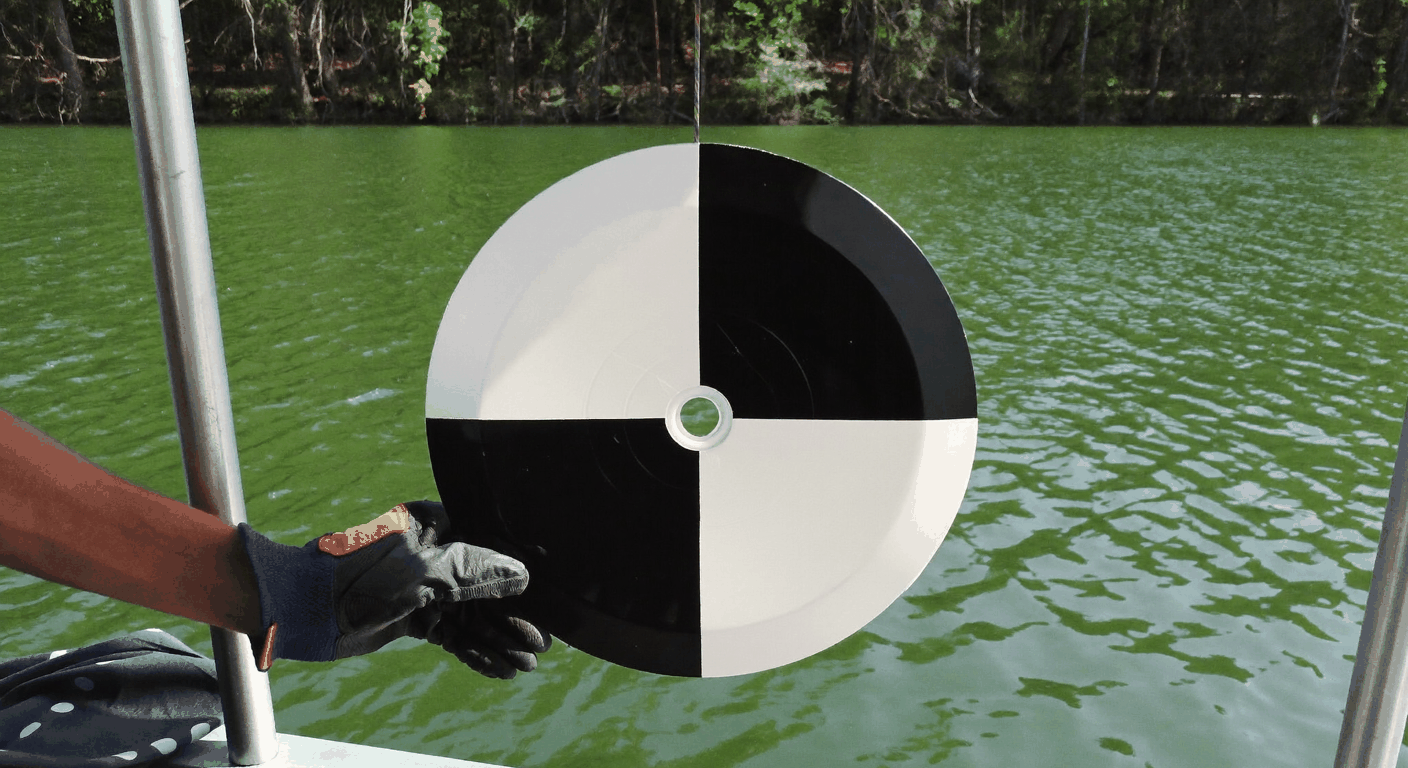
San Diego County relies heavily on a network of reservoirs for water storage, recreation, and flood control. Lake Hodges, near Escondido, is a 1,234-acre reservoir that has experienced significant water quality challenges including cyanobacteria blooms, taste-and-odor issues in downstream water supply, and invasive species management. Lake Miramar, one of the city's drinking water reservoirs, is managed with a focus on source water protection and recreational access control.
Lake Murray in the Mission Trails area serves as a popular urban recreation site and water supply reservoir. San Vicente Reservoir, expanded by a massive dam raise project completed in 2014, provides emergency storage capacity. These reservoirs are managed by the City of San Diego's Public Utilities Department and the San Diego County Water Authority, with public access levels that vary by facility.
Beyond the large reservoirs, San Diego County contains numerous smaller ponds in golf course communities, HOA developments, and commercial properties. The county's rapid development in areas like Chula Vista, San Marcos, and Oceanside has created new inventories of managed waterbodies that face the typical challenges of warm-climate, nutrient-loaded community ponds.
- Lake Hodges has experienced cyanobacteria blooms and taste-and-odor problems affecting downstream water supply.
- Lake Miramar is managed as a drinking water source with controlled recreational access.
- San Vicente Reservoir was expanded by a major dam raise project completed in 2014.
- Rapidly developing areas like Chula Vista and San Marcos contain growing inventories of community ponds.
Semi-arid climate, wildfire, and recycled water
San Diego County receives only about 10 inches of rainfall annually in coastal areas, with slightly more in the inland mountains. This semi-arid climate means that waterbodies depend heavily on supplemental water, whether from the City's reservoir system, recycled water deliveries, or direct potable water fill, to maintain water levels through the long dry season that typically runs from May through November.
Wildfire is an increasingly significant factor in San Diego County lake management. The county's chaparral and coastal sage scrub vegetation types are adapted to burn, and large fires like the 2003 Cedar Fire and 2007 Witch Creek Fire dramatically altered watershed conditions for years afterward. Post-fire erosion delivers massive sediment loads to downstream reservoirs, and ash runoff spikes nutrient levels, particularly phosphorus, in receiving waterbodies. Lake Hodges received substantial post-fire sediment and nutrient loads that contributed to its ongoing water quality challenges.
Recycled water use is expanding rapidly in San Diego, driven by the city's Pure Water program and the broader push for water supply diversification. Some community ponds and golf course water features already receive recycled water as a supplemental source. Recycled water typically contains higher concentrations of nitrogen and phosphorus than potable water, which affects nutrient budgets and management requirements for waterbodies that use it as a fill source.
- San Diego coastal areas receive only about 10 inches of annual rainfall, requiring supplemental water for most ponds.
- Major wildfires like the Cedar Fire (2003) and Witch Creek Fire (2007) dramatically increased sediment and nutrient loading.
- Post-fire ash runoff spikes phosphorus levels in downstream waterbodies for multiple years.
- Recycled water contains elevated nitrogen and phosphorus compared to potable water, affecting pond nutrient budgets.
San Diego Regional Water Board and local programs
The San Diego Regional Water Quality Control Board (Region 9) oversees water quality throughout San Diego County and the southwestern portion of Riverside County. The Board administers the San Diego County MS4 permit, which establishes requirements for stormwater management that affect how ponds and lakes receive and discharge urban runoff.
San Diego has been at the forefront of implementing hydromodification management plans, which address the increased runoff volumes and altered flow patterns that result from urban development. Waterbodies that serve as stormwater management features, detention basins, constructed wetlands, and retention ponds, may be subject to specific design and maintenance requirements under the MS4 permit and local hydromodification standards.
Several San Diego County waterbodies are listed as impaired under the Clean Water Act's Section 303(d) list. Chollas Creek, Los Penasquitos Lagoon, and several other waterways have established TMDLs for bacteria, sediment, or other pollutants. Pond owners near impaired waterways should understand whether their waterbody contributes to or receives water from listed segments, as this may affect what management activities are appropriate and what discharge limitations apply.
- The San Diego Regional Board (Region 9) covers San Diego County and southwestern Riverside County.
- Hydromodification management plans address altered runoff patterns from urban development.
- Chollas Creek and Los Penasquitos Lagoon are among the county's 303(d)-listed impaired waterways.
- Stormwater management features may face specific design and maintenance requirements under the MS4 permit.