
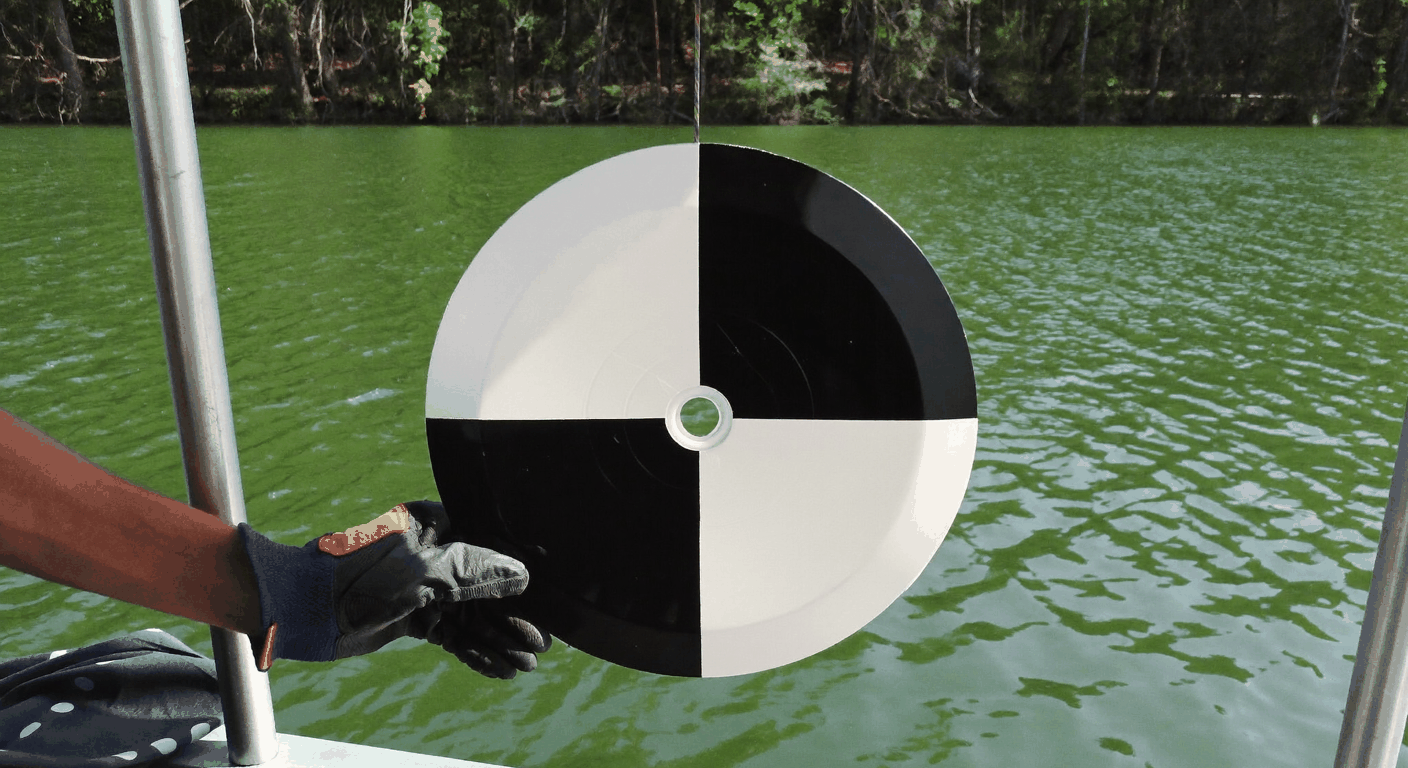
What causes algae blooms in lakes
Algae blooms happen when microscopic algae multiply rapidly in response to favorable conditions, warm water, sunlight, and an abundance of dissolved nutrients, especially phosphorus. In most freshwater lakes, phosphorus is the limiting nutrient, which means even a modest increase in phosphorus loading can trigger a bloom that turns the water green, scummy, or soupy.
The nutrients that feed blooms come from multiple sources: stormwater runoff carrying lawn fertilizer, agricultural drainage, septic system leachate, waterfowl waste, and the internal recycling of nutrients from decomposing organic sediment on the lake bottom. That last source, internal nutrient loading, is often overlooked but can be the dominant driver in older, shallower lakes.
- Phosphorus from fertilizer runoff is the most common bloom trigger
- Warm, still water with long daylight hours accelerates growth
- Internal nutrient loading from bottom sediment can sustain blooms even after external sources are reduced
- Shallow lakes and ponds are more vulnerable because the entire water column warms quickly
Treatment and prevention options
The most effective long-term approach to algae bloom control is reducing nutrient inputs. This can mean establishing vegetated buffer strips along the shoreline, reducing or eliminating fertilizer use on adjacent land, upgrading aging septic systems, and managing stormwater. These changes take time and cooperation, but they address the root cause rather than just the symptoms.
For lakes where nutrient sources are difficult to control or where internal loading is significant, in-lake treatments can help. Aeration systems improve oxygen levels and reduce nutrient release from sediment. Phosphorus-binding products like alum or lanthanum-modified clay can lock phosphorus in the sediment. Biological treatments using beneficial bacteria can help break down organic matter and reduce the nutrient pool. Chemical algaecides provide quick knockdowns but do not address the underlying nutrient problem and can harm non-target organisms.
- Buffer strips and fertilizer management reduce nutrient inputs at the source
- Aeration improves circulation and reduces internal nutrient loading
- Phosphorus-binding treatments can lock nutrients in the sediment
- Algaecides offer short-term relief but require repeated application and do not fix the cause
When to get professional help
If your lake has recurring blooms that cover large areas or if you suspect harmful cyanobacteria (blue-green algae), professional assessment is worth the investment. A water quality consultant can test nutrient levels, identify the algae species present, and recommend a management plan tailored to your specific lake. Harmful algal blooms in particular pose health risks to people, pets, and livestock and should not be managed without proper identification.
For smaller ponds with mild green water, starting with nutrient source reduction and aeration is a reasonable first step before bringing in a professional. If those steps do not produce improvement within a season, that is usually a sign that the nutrient sources are larger or more complex than expected.
- Recurring blooms covering large portions of the lake warrant professional testing
- Suspected harmful algal blooms should always be identified by a lab before treatment
- Small ponds can often start with aeration and nutrient management on their own
- No improvement after a season of effort suggests a more thorough nutrient assessment is needed